
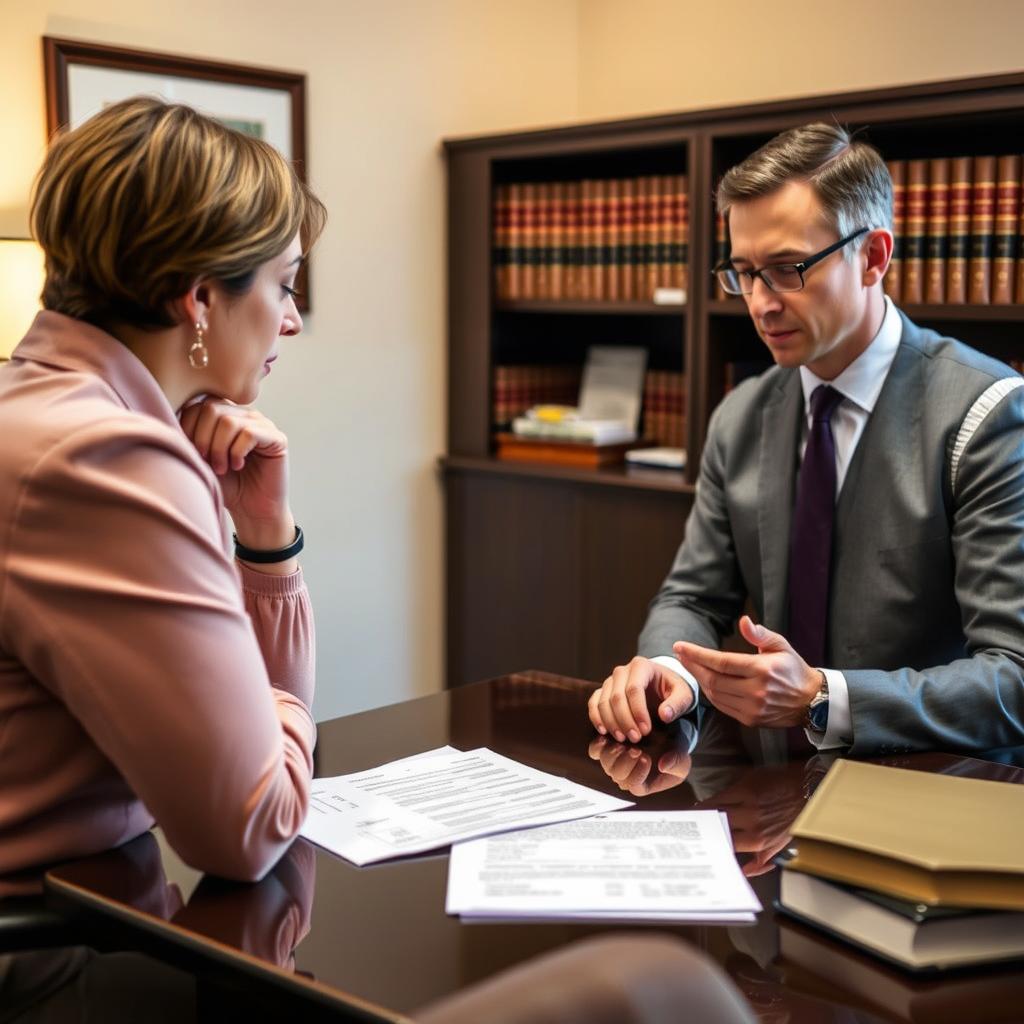
Fault Based Divorce Lawyer Fauquier County, VA
When one spouse’s misconduct becomes the legal basis for ending a marriage, the case moves from a straightforward no-fault separation to a fault-based divorce. In Fauquier County, Virginia, a fault-based divorce allows a spouse to seek an immediate dissolution of the marriage on grounds such as adultery, cruelty, desertion, or a felony conviction—without waiting through a mandatory separation period. The decision carries substantial consequences for property division, spousal support, and child custody, making the choice of attorney a critical one. Mr. Sris, Owner and Founder of Law Offices Of SRIS, P.C., has practiced in Virginia since 1997 and brings together a team of experienced Of Counsel to represent clients in fault-based divorce matters at the Fauquier County Circuit Court. To request a consultation about your divorce and discuss how fault may affect your case, reach Law Offices Of SRIS, P.C. at (888) 437-7747. Law Offices Of SRIS, P.C. – Advocacy Without Borders.
What Fault Based Divorce Means in Fauquier County
Virginia law, under Va. Code § 20-91, provides for both no-fault and fault-based grounds for divorce. A no-fault divorce requires living separate and apart for one year—or six months if the parties have a signed separation agreement and no minor children. In contrast, a fault-based divorce allows the circuit court to grant a final decree without any waiting period when one of the statutory fault grounds is proven. The available fault grounds include adultery, cruelty causing a reasonable apprehension of bodily harm, willful desertion or abandonment for one year, and conviction of a felony resulting in confinement for more than one year.
For residents of Warrenton, New Baltimore, Bealeton, Marshall, The Plains, and surrounding communities, fault-based divorce cases are heard exclusively in the Fauquier County Circuit Court at 6 Court Street, Warrenton, Virginia 20186. This court has jurisdiction over all divorce complaints under Va. Code § 20-96. Because fault must be established by clear and convincing evidence—often through corroborating testimony or documentary proof—the litigation tends to be more contentious and resource-intensive than an uncontested divorce. Mr. Sris and his Of Counsel are familiar with the evidentiary standards and procedural expectations of the Fauquier County Circuit Court, and they work to build a record that addresses the statutory factors while protecting a client’s interests.
How Mr. Sris and His Of Counsel Handle Fault Based Divorce Cases
Every fault-based divorce begins with a thorough evaluation of the facts and the strength of the evidence. Mr. Sris and his Of Counsel team gather relevant documents, interview potential witnesses, and assess whether the fault ground can be established under Virginia’s evidentiary rules. For example, an adultery claim often requires proof of both the inclination and the opportunity; a cruelty claim must show that the conduct placed the spouse in reasonable fear of bodily harm. The attorneys then prepare and file a complaint in the Fauquier County Circuit Court, initiating the legal process.
Once the complaint is filed, the case proceeds through discovery, where both parties exchange financial records, deposition testimony, and other evidence. Fault may affect equitable distribution under Va. Code § 20-107.3, which directs the court to consider the circumstances and factors that contributed to the dissolution of the marriage. Mr. Sris and his Of Counsel negotiate with opposing counsel where possible to resolve disputes without trial, but they are prepared to litigate contested fault issues before the court when necessary. The team also addresses related matters such as spousal support, child custody, and the division of retirement assets, working with forensic accountants or business valuators as needed to identify and value marital property.
About Mr. Sris and His Of Counsel Team
Mr. Sris, Owner and Founder of Law Offices Of SRIS, P.C., is a former prosecutor who has concentrated his practice in family law and criminal defense since 1997. He is admitted in Virginia, Maryland, the District of Columbia, New Jersey, and New York. Mr. Sris testified before the Virginia House Courts of Justice Committee in support of 2019 HB 635 (chief patron Del. David Bulova), a bill that revised the equitable distribution statute. His experience in the courtroom and his familiarity with Virginia’s divorce code allow him to guide clients through the complex intersection of fault allegations and financial consequences.
Mr. Sris is supported by a team of Of Counsel attorneys who contribute their own substantial backgrounds—including a former Maryland prosecutor, a former Virginia State Trooper, and attorneys with decades of trial experience. Collectively, Mr. Sris and his Of Counsel bring over 120 years of combined legal experience and have documented 4,739+ firm-wide results. Results may vary. The firm has documented 73 total case results in Fauquier County across all practice areas, reflective of its extensive work in the region.
Frequently Asked Questions
What are the fault-based grounds for divorce in Virginia?
Virginia law recognizes four fault-based grounds for divorce: adultery, cruelty, willful desertion or abandonment for one year, and conviction of a felony resulting in confinement for more than one year. These grounds are set out in Va. Code § 20-91. Adultery is the most commonly litigated fault ground and, if proven, eliminates the requirement of any separation period. Cruelty must involve conduct that causes a reasonable fear of bodily harm. Desertion or abandonment must last for at least one year. A felony conviction must result in a sentence of more than one year, and the filing spouse may proceed after the conviction. For guidance on your specific situation, reach Law Offices Of SRIS, P.C. at (888) 437-7747.
How does a fault-based divorce affect property division in Fauquier County?
Under Virginia’s equitable distribution statute, Va. Code § 20-107.3, a proven fault ground—particularly adultery—can influence the court’s division of marital property and an award of spousal support. While Virginia is not a community property state and does not divide property 50/50, the court weighs eleven statutory factors, including the circumstances and factors that contributed to the dissolution of the marriage. A fault-based finding can result in a greater share of the marital estate being awarded to the innocent spouse. The Fauquier County Circuit Court handles all property division matters in divorce cases. To discuss the details of your matter, contact Law Offices Of SRIS, P.C. at (888) 437-7747.
Do I need to prove fault to get a divorce in Virginia?
No, Virginia law allows both no-fault and fault-based divorces, so you are not required to prove fault to obtain a divorce. A no-fault divorce is available after a period of separation—one year, or six months if there are no minor children and a written separation agreement has been signed. However, choosing to pursue a fault-based ground can avoid the waiting period and may affect financial outcomes. Each option has different procedural requirements. Mr. Sris and his Of Counsel can evaluate your circumstances and explain which path aligns with your goals. For a consultation, reach Mr. Sris and his Of Counsel at (888) 437-7747.
How long does a fault-based divorce take in Fauquier County?
The timeline for a fault-based divorce in Fauquier County depends on whether the case is contested or resolved by agreement, but it can move more quickly than a no-fault divorce because no separation period is required. An uncontested divorce with a signed separation agreement may resolve in a few months after filing; a contested fault-based divorce that requires trial on the merits generally takes longer—often nine to eighteen months or more, depending on the court’s docket and the complexity of the issues. Cases involving significant property, business valuation, or custody disputes extend the timeline. The court’s calendar and the need for witness testimony also play a role. For guidance on your specific situation, reach Law Offices Of SRIS, P.C. at (888) 437-7747.
What should I do if my spouse accuses me of fault in a divorce?
If your spouse has filed for divorce on fault grounds, consult an attorney immediately and avoid discussing the allegations with anyone other than your legal representative. Fault accusations, particularly adultery, can carry serious financial and custody implications. Do not post about the matter on social media or communicate directly with your spouse about the claims. Preserve any documents, messages, or other evidence that may be relevant. An experienced Virginia family law attorney can assess the strength of the allegations, challenge insufficient evidence, and work toward a resolution that protects your interests. To discuss the details of your matter, contact Law Offices Of SRIS, P.C. at (888) 437-7747.
Fairfax County family law attorney | Prince William County family law lawyer | Loudoun County divorce attorney
Attorney advertising. Prior results do not guarantee a similar outcome. Case results depend on a variety of factors unique to each case. Results may vary.