
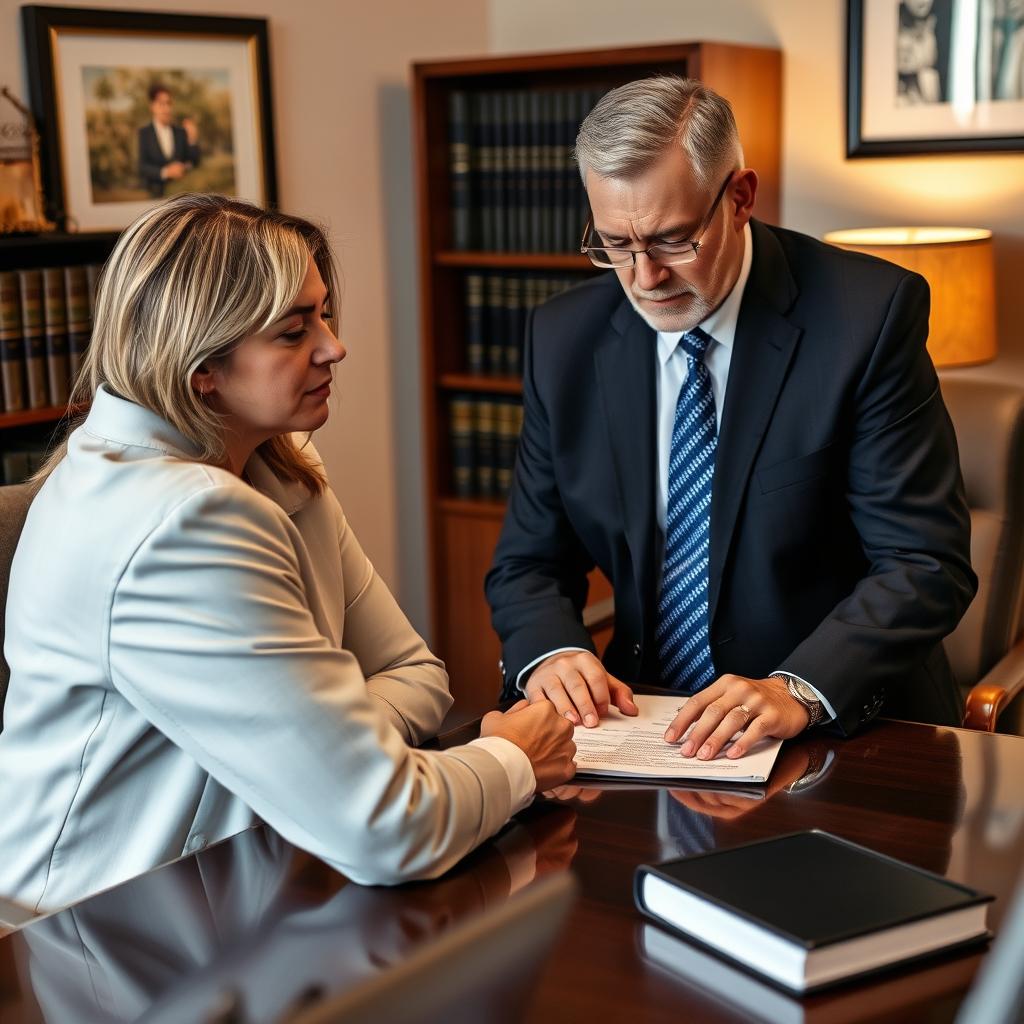
Fault Based Divorce Lawyer Fluvanna County, VA
When a marriage breaks down because of a spouse’s conduct—adultery, cruelty, or desertion—the legal path forward changes. Fluvanna County residents seeking a fault based divorce need an attorney who understands how Virginia courts weigh fault grounds against property division, spousal support, and custody. Law Offices Of SRIS, P.C. Concentrates in family law and has represented clients in divorce matters across Virginia since 1997. Mr. Sris, the firm’s Owner and Founder, is a former prosecutor who works with his Of Counsel team to guide clients through fault-based divorce proceedings in Fluvanna County Circuit Court, located at 72 Main Street, Suite B, Palmyra. To request a consultation, call (888) 437-7747. Law Offices Of SRIS, P.C. – Advocacy Without Borders.
What Fault Based Divorce Means in Fluvanna County, Virginia
Virginia law allows both no-fault and fault-based grounds for divorce under Va. Code § 20-91. A fault based divorce asserts that the marriage ended because of a spouse’s misconduct. Unlike a no-fault divorce that requires a separation period of six months or one year, certain fault grounds permit the court to enter a divorce decree without a mandatory waiting period after the couple separates. In Fluvanna County, divorce, equitable distribution, and spousal support matters are heard in the Fluvanna County Circuit Court. Standalone custody, visitation, and child support cases—as well as petitions for protective orders—are heard in the Fluvanna County Juvenile and Domestic Relations District Court. The Circuit Court filing fee for a divorce complaint is approximately with additional costs for service of process and any pendente lite motions. The court determines property division under Virginia’s equitable distribution framework, not community property principles.
Fault grounds recognized under Va. Code § 20-91 include adultery, cruelty, willful desertion or abandonment for one year, and conviction of a felony resulting in confinement for more than one year. When a fault ground is proven, the court may consider the circumstances that led to the dissolution of the marriage when dividing marital assets and awarding spousal support. Fluvanna County circuit judges, serving within the Sixteenth Judicial District, apply the 11 statutory factors under Va. Code § 20-107.3 to reach an equitable division of property. Because fault can influence those factors, the choice of ground is a strategic decision that requires careful evaluation of the evidence and the potential impact on the overall outcome.
Mr. Sris and his Of Counsel team are familiar with the local procedural requirements of Fluvanna County. The court typically requires at least one corroborating witness even in an uncontested matter, and fault-based litigation often involves depositions, discovery, and the presentation of witness testimony. The firm’s experience handling contested and fault-based divorce cases in Virginia positions clients to make informed decisions about whether to proceed on fault grounds or to pursue a settlement that resolves the case without a contested trial.
How Mr. Sris and His Of Counsel Handle Fault Based Divorce Cases
Fault based divorce litigation demands a methodical approach. The first step is a thorough analysis of the facts to determine whether the evidence supports a fault ground and whether pursuing a fault claim is in the client’s interest. Mr. Sris and his Of Counsel review the circumstances surrounding the alleged misconduct, including documentary evidence, communications, and witness accounts. They evaluate the potential impact of a fault finding on property division and spousal support under Va. Code § 20-107.3, and they advise clients on the strengths and weaknesses of proceeding on fault grounds.
After the initial assessment, the firm prepares and files the necessary pleadings in the Fluvanna County Circuit Court. If the case is contested, the litigation process may include depositions, interrogatories, and motions for pendente lite relief—such as temporary spousal support or exclusive use of the family residence—under Va. Code § 20-103. Throughout the matter, Mr. Sris and his Of Counsel work to protect the client’s interests, whether through negotiated settlement or trial. They handle every stage from filing through final decree, and they are prepared to address post-divorce enforcement or modification if circumstances change. Results may vary. In any particular case.
About Mr. Sris and His Of Counsel Team
Mr. Sris, Owner and Founder of Law Offices Of SRIS, P.C., is a former prosecutor who has practiced law since 1997. He is admitted in Virginia, Maryland, the District of Columbia, New Jersey, and New York, giving the firm a multi-jurisdictional perspective that is valuable when complex family law matters cross state lines. Mr. Sris testified before the Virginia House Courts of Justice Committee in support of 2019 HB 635 (chief patron Del. David Bulova), a bill that revised the equitable distribution framework under Va. Code § 20-107.3. Mr. Sris and his Of Counsel bring over 120 years of combined legal experience and have achieved 4,739+ documented firm-wide results. Results may vary.
The firm’s Of Counsel attorneys—non-employee practitioners engaged through Excella—complement Mr. Sris’s background with a range of litigation and negotiation experience. Together, they serve clients throughout Virginia, including Fluvanna County, and appear regularly in the Circuit Court at 72 Main Street, Suite B, Palmyra, VA 22963. The firm maintains a Richmond location at 7400 Beaufont Springs Dr, Ste 300, Rm 395, Richmond, VA 23225, and can be reached at (888) 437-7747 for consultation scheduling.
Virginia Code § 20-91 enumerates fault grounds for divorce: adultery, cruelty, willful desertion for one year, and felony conviction with imprisonment for more than one year.
Source: Va. Code § 20-91 (grounds for divorce). Virginia Code § 20-91
Reviewed by Mr. Sris, admitted in VA/MD/DC/NJ/NY.
Virginia is an equitable distribution state; marital property is divided based on 11 statutory factors under Va. Code § 20-107.3, not on a community property principle.
Source: Va. Code § 20-107.3. Virginia Code § 20-107.3
Reviewed by Mr. Sris, admitted in VA/MD/DC/NJ/NY.
Frequently Asked Questions
What are the fault grounds for divorce in Virginia?
Virginia Code § 20-91 allows a divorce based on fault when one spouse has committed adultery, is guilty of cruelty or reasonable apprehension of bodily hurt, has willfully deserted or abandoned the other for one year, or has been convicted of a felony and sentenced to confinement for more than one year. Fault grounds may impact property division and spousal support, and they can be pursued without a mandatory separation period. A fault based divorce claim must be proven by clear and convincing evidence, and the process often involves discovery, witness testimony, and close analysis of the facts.
How does fault affect property division in a Fluvanna County divorce?
Under Virginia’s equitable distribution statute, the court considers 11 factors including the circumstances that contributed to the dissolution of the marriage; a fault finding can influence the division of marital assets and the award of spousal support. Separate property remains with the owning spouse, but marital property is subject to division. The court has broad discretion to weigh fault when it finds that the misconduct directly affected the marital partnership or the economic circumstances of the parties.
Do I need a lawyer to file for a fault based divorce in Fluvanna County?
You are not legally required to have an attorney, but fault based divorce claims involve complex evidentiary rules and procedural requirements that make legal representation important. Proving adultery, cruelty, or desertion often requires witness testimony and documentation that must meet court standards. An experienced divorce attorney can evaluate the strength of your grounds, prepare the necessary pleadings for the Fluvanna County Circuit Court, and protect your interests in negotiations or trial.
How long does a fault based divorce take in Fluvanna County?
There is no fixed timeline; the length depends on whether the case is contested, the complexity of the fault allegations, and the Fluvanna County Circuit Court’s calendar. Uncontested matters may resolve more quickly, while a heavily litigated fault trial with extensive discovery can take over a year. Mr. Sris and his Of Counsel can provide a case-specific estimate during a consultation.
What should I bring to a consultation about a fault based divorce?
Gather any documents related to the marriage, the alleged fault conduct, finances, and children. Helpful items include tax returns, bank statements, property deeds, communications (texts, emails, messages) that relate to the fault ground, and any existing protective orders. Having this information available allows the attorney to assess the likely scope of the case and advise you on next steps.
Who handles fault based divorce cases at Law Offices Of SRIS, P.C.?
Mr. Sris leads the firm’s family law practice and works with his Of Counsel team on fault based divorce matters in Fluvanna County. Mr. Sris, a former prosecutor, founded the firm in 1997 and has extensive experience in divorce litigation and equitable distribution. His Of Counsel bring additional litigation and negotiation skills, and together they appear regularly in Fluvanna County Circuit Court. To discuss your situation, call (888) 437-7747.
Learn more about our family law practice in related Virginia localities: Fairfax County family lawyer | Fairfax City family lawyer | Prince William County family lawyer | Manassas City family lawyer | Falls Church City family lawyer
Authoritative sources: Virginia Code Title 20 (Domestic Relations) | Fluvanna County Circuit Court | Virginia Juvenile and Domestic Relations District Courts
Attorney advertising. Prior results do not guarantee a similar outcome. Case results depend on a variety of factors unique to each case. Attorney responsible for this advertising: Mr. Sris. Results may vary.