
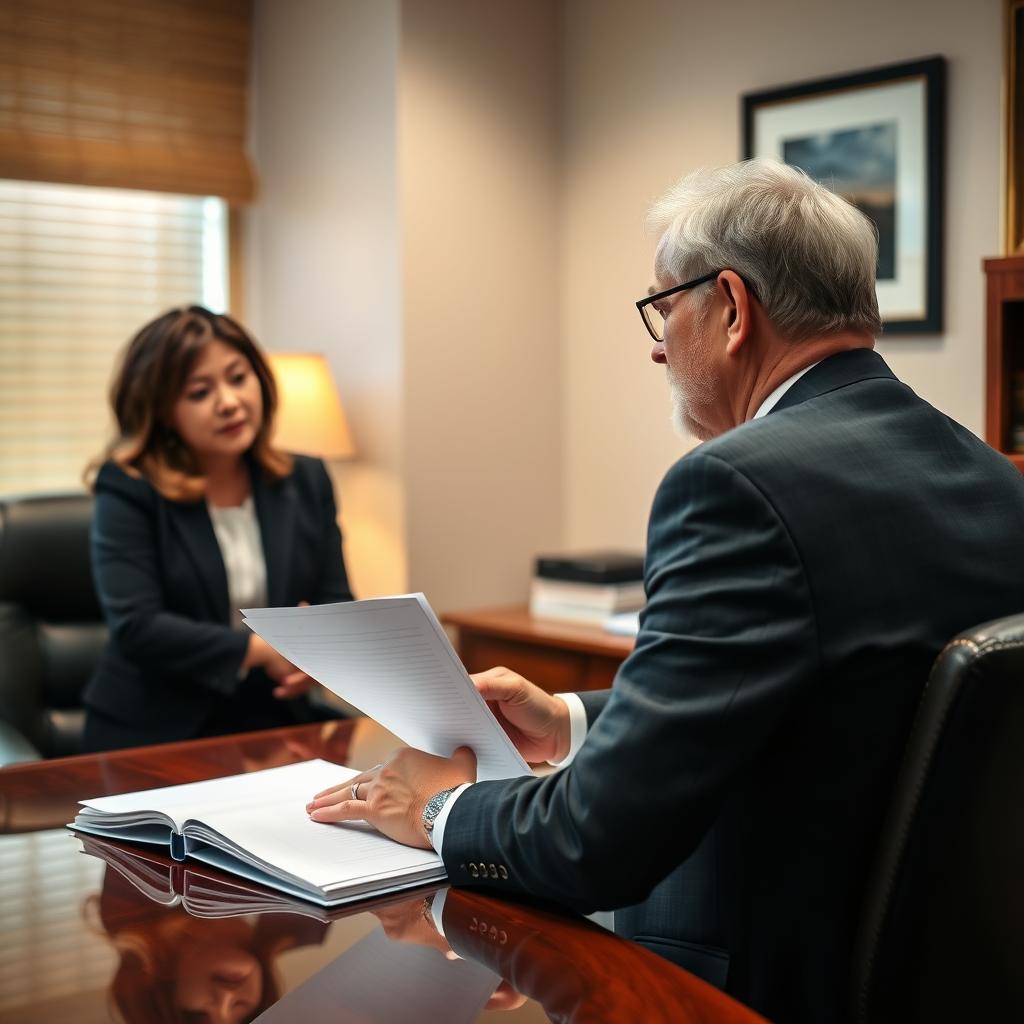
Fault Based Divorce Lawyer Louisa County, VA
Your marriage has reached a breaking point, and you believe your spouse’s conduct—adultery, cruelty, desertion, or a felony conviction—is the reason. You are not alone. Many people in Louisa County, VA, face the same decision: whether to file for a fault-based divorce. Under Virginia law, a fault ground can eliminate the statutory waiting period and may affect property division and spousal support. The judges of the Louisa County Circuit Court at 100 West Main Street in Louisa hear these cases, and proceedings can have lasting consequences for your finances, your children, and your future. Mr. Sris, Owner and Founder of Law Offices Of SRIS, P.C., has practiced family law across Virginia since 1997. He and his Of Counsel team understand what it takes to present a fault-based divorce claim in the Sixteenth Judicial District and work to protect your interests throughout the process. To discuss your situation, reach Law Offices Of SRIS, P.C. at (888) 437-7747. Law Offices Of SRIS, P.C. – Advocacy Without Borders.
What Fault Based Divorce Means in Louisa County
Virginia is not a pure no-fault state. Under Va. Code § 20-91, a spouse may seek an absolute divorce on fault grounds without waiting the six-month or one-year separation period required for a no-fault divorce. The statutory fault grounds include adultery, cruelty or reasonable apprehension of bodily hurt, willful desertion or abandonment for one year, and conviction of a felony with imprisonment of more than one year. In Louisa County, these cases are handled by the Louisa County Circuit Court, which has exclusive jurisdiction over divorce, equitable distribution, and spousal support. Ancillary matters such as custody, visitation, and child support may originate in the Louisa County Juvenile and Domestic Relations District Court, but the final divorce decree is always entered by the Circuit Court.
Louisa County sits along the I-64 corridor between Richmond and Charlottesville, with communities in Louisa, Mineral, and Zion Crossroads. When a fault-based divorce is filed here, the Circuit Court applies Virginia’s equitable distribution statute, Va. Code § 20-107.3, to classify and divide marital property. The court may consider fault as one of the factors in determining an equitable award, though it is not the sole factor. Because fault grounds do not require a separation period, a spouse who proves adultery, for example, can proceed directly to a final hearing. However, proving fault requires clear and convincing evidence, and cross-examination of witnesses—including the spouse accused of wrongdoing—demands thorough preparation. Legal counsel experienced in Louisa County family law matters can help navigate these evidentiary challenges and advocate for a favorable resolution.
The filing fee for a divorce complaint in Louisa County Circuit Court is approximately with additional service and motion costs.
Source: Virginia Judicial System Circuit Court Fee Schedule. Virginia Courts
Reviewed by Mr. Sris, admitted in VA/MD/DC/NJ/NY.
How Mr. Sris and His Of Counsel Handle Fault Based Divorce Cases
When you engage Law Offices Of SRIS, P.C., Mr. Sris and his Of Counsel team begin by understanding the facts of your marriage and the evidence supporting the fault ground. They will review your situation under the statutory frameworks of Va. Code § 20-91 (grounds), § 20-107.3 (equitable distribution), and relevant provisions concerning spousal support and custody. Because a fault-based divorce can move quickly once evidence is gathered, they focus on prompt preparation of the Complaint, mandatory financial disclosures, and any necessary pendente lite motions for temporary support or exclusive use of the marital residence.
Mr. Sris’s background as a former prosecutor provides practical insight into building a fact-based case and examining witnesses before the Circuit Court. As the case progresses, his Of Counsel team—all experienced family law practitioners—collaborates on strategy, asset valuation, and negotiation with opposing counsel. Many fault-based matters resolve through a separation agreement or settlement conference, avoiding trial. If litigation is necessary, the team’s extensive familiarity with Louisa County court procedures and the judges of the Sixteenth Judicial District helps them present your position clearly and effectively. Throughout the process, they keep you informed and work toward an outcome that protects your legal and financial interests.
About Mr. Sris and His Of Counsel Team
Mr. Sris is the Owner and Founder of Law Offices Of SRIS, P.C. Admitted in Virginia, Maryland, the District of Columbia, New Jersey, and New York, he has practiced law since 1997. A former prosecutor, he brings a distinctive perspective to family law disputes—especially when fault grounds require careful witness examination. Mr. Sris testified before the Virginia House Courts of Justice Committee in support of 2019 HB 635 (chief patron Del. David Bulova), a bill that revised the equitable distribution statute governing retirement and pension division. His prior legislative involvement reflects a deep engagement with Virginia family law.
Mr. Sris is supported by a team of Of Counsel attorneys who concentrate in family law, criminal defense, and child welfare. Collectively, Mr. Sris and his Of Counsel bring over 120 years of combined legal experience; the firm has achieved 4,739+ documented firm-wide results. Results may vary. In Louisa County specifically, the firm has documented 30 case results across all practice areas, with an 87% favorable outcome rate. Clients in Louisa, Mineral, and Zion Crossroads are served from the firm’s Richmond location by appointment. To request a consultation, call (888) 437-7747.
Frequently Asked Questions
What fault grounds are available for divorce in Virginia?
Virginia law recognizes four fault grounds: adultery, cruelty, willful desertion or abandonment for one year, and felony conviction with imprisonment of more than one year. Adultery is the only ground with no required waiting period—once proven, the case may proceed immediately to a final hearing. Cruelty requires reasonable apprehension of bodily harm, and desertion requires proof that the spouse voluntarily left and remained away for at least a year without justification. A felony conviction ground applies only if the defendant-spouse was sentenced to more than one year of confinement and is still incarcerated. Proving any of these grounds requires clear and convincing evidence; an experienced family law attorney can help you evaluate the strength of your evidence and the appropriate legal strategy.
Does fault affect property division in a Louisa County divorce?
Yes, fault can be a factor in equitable distribution under Va. Code § 20-107.3, but it does not automatically result in a larger share of marital property. Virginia is an equitable distribution state, meaning the court divides marital property fairly but not necessarily equally. The statute lists 11 factors, including the circumstances and factors that contributed to the dissolution of the marriage. A court may weigh the fault—such as adultery or cruelty—when deciding how to apportion assets, but the decision is discretionary. The Louisa County Circuit Court will consider all relevant evidence before making a final distribution. For guidance specific to your situation, reach Law Offices Of SRIS, P.C. at (888) 437-7747.
How long does a fault-based divorce take in Louisa County?
The timeline for a fault-based divorce in Louisa County varies depending on the complexity of the issues and the court’s docket, but cases can sometimes resolve faster than no-fault divorces because no separation period is required. Once the Complaint is filed and served, the parties exchange financial information, and if temporary relief is needed, a pendente lite hearing may be scheduled. If the parties reach a settlement, the case can conclude in a matter of months. Contested fault cases that go to trial take longer. The Circuit Court calendar at 100 West Main Street influences scheduling, but Mr. Sris and his team work to move your case efficiently through each stage.
Can I still get a divorce if I cannot prove fault?
Yes, you may still obtain a divorce under Virginia’s no-fault ground if you meet the separation requirements—one year of continuous separation, or six months if you and your spouse have no minor children and have signed a separation agreement. Even if you initially file on fault grounds, you may later amend your Complaint to add a no-fault ground as an alternative. This gives you the flexibility to pursue fault-based relief while ensuring a path to divorce if the fault evidence is insufficient. An attorney can advise you on an appropriate approach based on your specific circumstances.
Why choose a lawyer with experience in Louisa County family courts?
A lawyer familiar with Louisa County courts understands the local procedures, the expectations of the Sixteenth Judicial District bench, and the community context that can influence settlement negotiations. Louisa County Circuit Court handles all divorce and equitable distribution matters, while the Juvenile and Domestic Relations District Court addresses ancillary issues. Familiarity with how these courts operate—and with the region extending from Richmond to Charlottesville—helps streamline case preparation. Mr. Sris and his Of Counsel appear regularly in Louisa County and bring that localized knowledge to every representation.
Related family law pages: Family Law Lawyer in Fairfax County · Prince William County Family Law Attorney · Family Law Representation in Manassas · Fairfax City Divorce and Family Lawyer
Primary legal sources: Virginia Code Title 20 (Domestic Relations) · Virginia Judicial System
Attorney advertising. Prior results do not guarantee a similar outcome. Results may vary.
Case results depend on a variety of factors unique to each case.