
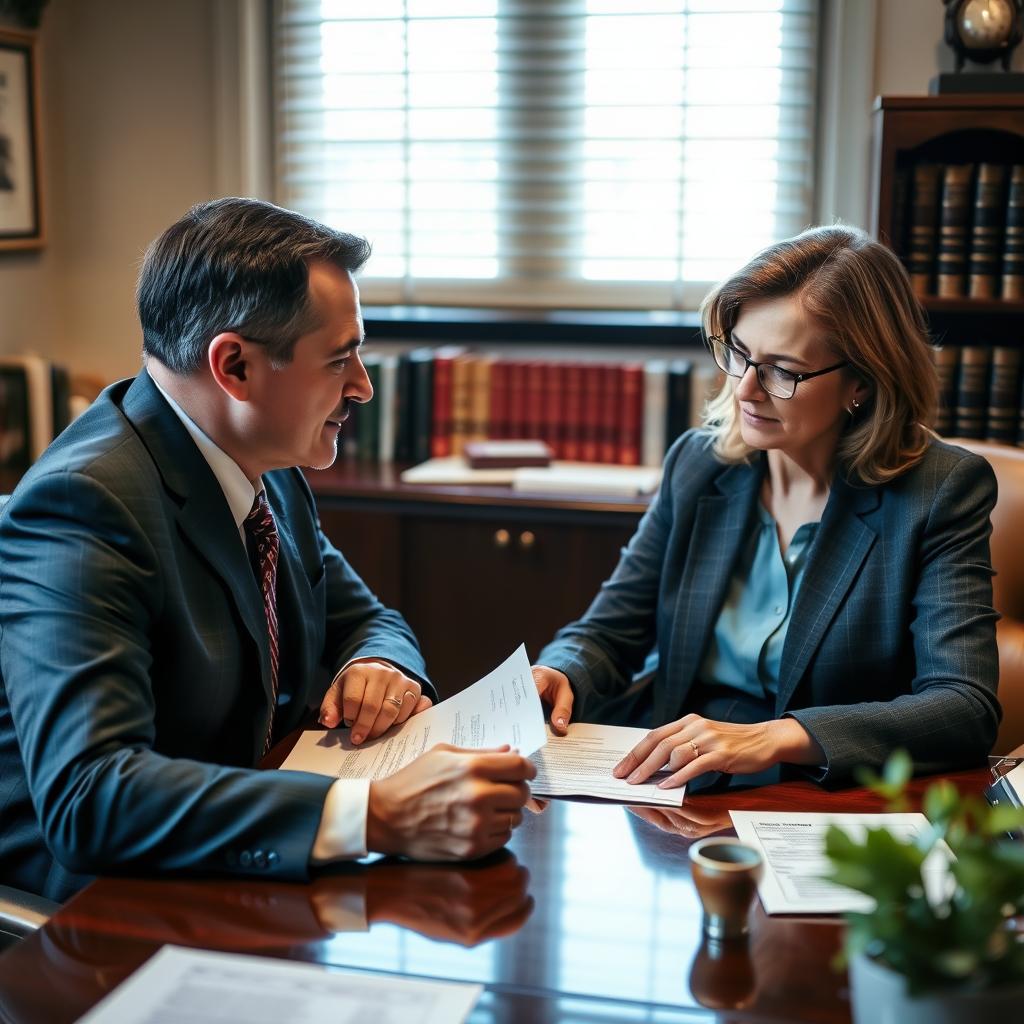
Visitation Modification Lawyer Louisa County, VA
Visitation orders in Virginia are meant to serve the child’s best interests, but when circumstances change—a parent relocates, a work schedule shifts, a child’s needs evolve—those orders may no longer work. A visitation modification in Louisa County requires a showing of a material change in circumstances since the last order and proof that the proposed change serves the child’s best interests under Virginia Code § 20-124.2. The court that handles the modification depends on the underlying case: standalone visitation matters go before the Louisa County Juvenile and Domestic Relations District Court; if the order is part of a divorce or equitable distribution decree, the Louisa County Circuit Court at 100 West Main Street, Louisa, VA 23093, has jurisdiction. Mr. Sris and his Of Counsel at Law Offices Of SRIS, P.C. represent clients in visitation modification matters throughout Louisa County and the surrounding Sixteenth Judicial District. To request a consultation, call (888) 437-7747. Law Offices Of SRIS, P.C. – Advocacy Without Borders.
What Visitation Modification Means in Louisa County
Under Virginia law, a parent, guardian, or other person with a legitimate interest may petition the court to modify an existing visitation order. The threshold question is whether a material change in circumstances has occurred since the entry of the last order. If so, the court then evaluates the proposed modification under the ten best‑interests factors set out in Virginia Code § 20‑124.3, considering the child’s relationship with each parent, each parent’s ability to meet the child’s needs, any history of family abuse, and other relevant factors. In Louisa County, judges have broad discretion, and the process can involve testimony, evidence of changed circumstances, and sometimes a guardian ad litem appointed for the child.
The Louisa County Juvenile and Domestic Relations District Court hears standalone custody and visitation petitions, while the Circuit Court decides modifications when they are part of a divorce or property‑distribution case. Because Louisa County is a smaller jurisdiction within the Sixteenth Judicial District, court dates may be more accessible than in some urban areas, but the procedural requirements—proper notice, properly drafted pleadings, and a well‑supported motion—remain the same. An attorney who regularly appears in these courts can help a parent present a clear, legally sufficient petition that addresses the local judges’ expectations.
How Mr. Sris and His Of Counsel Handle Visitation Modification Cases
Mr. Sris and his Of Counsel begin by assessing whether the facts support a material change in circumstances—an essential first step that many modification requests fail to meet. If a parent’s hours have changed, a child’s school or medical needs have shifted, or the other parent is interfering with the agreed‑upon schedule, they gather documentation, school records, work schedules, and communications to build the record. Next, they file a motion or petition with the appropriate Louisa County court, ensuring that all procedural requirements, including service on the other party, are met.
Once the case is before the court, the attorney presents evidence, examines witnesses, and argues the trusted‑interests factors. Where possible, they explore negotiated resolutions—a revised parenting plan or a mediated agreement—that can avoid a contested hearing. If a hearing is necessary, Mr. Sris and his Of Counsel prepare the client to testify and present the case clearly. Because they know the Louisa County courts—the judges’ preferences, the local procedural norms, and the typical timelines—clients benefit from representation that is grounded in local practice rather than generic family law advice. Throughout the process, the attorney keeps the client informed and works toward an order that better fits the family’s current reality.
About Mr. Sris and His Of Counsel Team
Mr. Sris, Owner and Founder of Law Offices Of SRIS, P.C., is a former prosecutor who has practiced family law across Virginia since 1997. Admitted in Virginia, Maryland, the District of Columbia, New Jersey, and New York, he brings a multi‑state perspective and firsthand courtroom experience to visitation modification matters. Mr. Sris testified before the Virginia House Courts of Justice Committee in support of 2019 HB 635 (chief patron Del. David Bulova), a bill that revised certain provisions of Virginia’s equitable distribution statute. His legal work is informed by decades of litigation experience and a deep familiarity with Virginia’s family law statutes.
Mr. Sris and his Of Counsel bring extensive combined legal experience. Results may vary. The Of Counsel attorneys working alongside Mr. Sris include practitioners with backgrounds in criminal law, traffic enforcement, and child welfare, each contributing a distinct perspective to the team’s family law practice. Together, they represent clients at both the Louisa County Juvenile and Domestic Relations District Court and the Circuit Court, handling visitation modification as well as related custody, support, and enforcement proceedings. To speak with an attorney about your situation, call (888) 437-7747.
Frequently Asked Questions
What is visitation modification in Virginia?
Visitation modification is a legal process by which a parent or other party asks a Virginia court to change an existing visitation order because circumstances have materially changed since the order was entered. Under Virginia Code § 20‑124.2, the court may modify visitation if a material change in circumstances has occurred and the modification serves the child’s best interests. The process involves filing a petition with the court that issued the original order, serving the other party, and presenting evidence to support the requested change. The same ten statutory factors used in initial custody and visitation determinations guide the judge’s decision. Modification can increase, decrease, or alter the schedule, and the court may impose conditions on visitation when appropriate.
How do I modify a visitation order in Louisa County?
To modify a visitation order in Louisa County, you must file a motion or petition with the court that entered the existing order, demonstrate a material change in circumstances, and show that the proposed change is in the child’s best interests. The filing is made at the Louisa County Juvenile and Domestic Relations District Court for standalone visitation orders or at the Louisa County Circuit Court if the order was entered as part of a divorce decree. You will need to provide the court with a written motion explaining the change in circumstances—such as a new job, relocation, or concerns about the child’s safety—and supporting evidence. The other parent or party must be served with the papers and has an opportunity to respond. A hearing date is set by the court, and both sides may present evidence and testimony. Working with an attorney who understands the local judges’ scheduling and expectations can help the process move forward efficiently.
What factors does a Virginia court consider when modifying visitation?
A Virginia court considers whether a material change in circumstances has occurred and then weighs the ten best‑interests factors listed in Virginia Code § 20‑124.3. The factors include the child’s age and physical and mental condition, each parent’s age and condition, the relationship between the child and each parent, the child’s needs including relationships with siblings and extended family, the role each parent has played and will play in the child’s upbringing, each parent’s willingness to support the child’s relationship with the other parent, the child’s reasonable preference (if of suitable age and maturity), any history of family abuse, and any other factor the court deems relevant. The court may also consider whether the existing order has been followed and whether the proposed new schedule is realistic and beneficial for the child.
What should I do if I am facing a visitation modification dispute in Louisa County?
If you are involved in a visitation modification dispute in Louisa County, consult an experienced family law attorney as soon as possible and avoid discussing the matter with the other party in a way that could be used against you. Gather any documents that support your position—work schedules, school calendars, correspondence with the other parent, and any evidence of changed circumstances. Do not stop following the existing visitation order unless a court authorizes a change. The Virginia courts expect parents to comply with existing orders while a modification is pending. An attorney can evaluate whether the facts support a modification, draft the necessary pleadings, and represent you at the hearing. Prompt action is important because delay can create a status quo that works against your position.
How does a Virginia lawyer defend against a visitation modification request?
A Virginia lawyer defends against a visitation modification request by challenging whether the moving party has shown a material change in circumstances and by demonstrating that the existing order continues to serve the child’s best interests. Defense strategies may include examining the evidence for gaps, questioning the credibility of the moving party’s claims, presenting counter‑evidence that the schedule is working, and arguing that the proposed change would disrupt the child’s stability. The lawyer may also raise procedural issues, such as failure to provide proper notice or failure to plead a sufficient change in circumstances. If the petition is frivolous or filed for improper reasons, the court may deny the modification and, in some instances, award attorney’s fees to the defending party.
Can visitation orders be modified without going to court in Virginia?
Parents can agree to modify a visitation schedule without a court hearing, but any agreement should be reduced to writing and, ideally, submitted to the court for approval to be enforceable. If both parents consent to the change and the modification serves the child’s best interests, the court will typically approve an agreed order. Without court approval, the original order remains in effect, and either parent could later face enforcement issues. An attorney can draft a consent order and submit it to the Louisa County court so the new terms become part of the enforceable court record. This approach avoids a contested hearing while giving the new schedule legal weight.
Related pages: Richmond family law lawyer · Fairfax County family law lawyer · Prince William County family law lawyer
Primary legal sources: Virginia Code Title 20 (Domestic Relations) · Louisa County Circuit Court · Virginia Court System
Attorney advertising. Prior results do not guarantee a similar outcome. Results may vary.
Case results depend on a variety of factors unique to each case.