
Kinship Guardianship Lawyer James City County, VA
When a child cannot remain with their biological parents, a relative often steps forward to provide a stable home. Kinship guardianship is the legal process that formalizes this arrangement in Virginia. In James City County, these matters proceed through the Juvenile and Domestic Relations District Court or the Circuit Court, depending on the circumstances. Families in Williamsburg, Norge, Toano, Lightfoot, and surrounding communities seek a legal framework that protects the child’s well‑being while preserving family connections. Law Offices Of SRIS, P.C. – Advocacy Without Borders.
Law Offices Of SRIS, P.C. represents clients in kinship guardianship proceedings throughout James City County. Mr. Sris and his Of Counsel team are experienced in Virginia family law and familiar with the local courts at 5201 Monticello Avenue. They work with families to present the facts clearly and to pursue arrangements that serve the child’s best interests. To discuss your situation with a kinship guardianship attorney, call (888) 437‑7747.
What Kinship Guardianship Means in James City County
Kinship guardianship is a legal relationship created by a court that places a child with a relative who assumes the day‑to‑day responsibilities of care and decision‑making. In Virginia, the process is governed by Va. Code § 64.2‑2000 et seq. The court considers the child’s welfare, the qualifications of the proposed guardian, and the fitness of the parents. Unlike adoption, kinship guardianship does not sever the legal relationship between the child and the biological parents; instead, it establishes a long‑term caregiving structure while preserving some parental rights and obligations.
In James City County, the two courts most often involved are the Juvenile and Domestic Relations District Court and the Circuit Court. The J&DR District Court handles custody and visitation matters and may be the initial venue for a guardianship petition. If the child’s circumstances also involve a divorce, equitable distribution, or a contested family dispute, the Circuit Court may assume jurisdiction. Experienced counsel can help you determine the appropriate court and prepare the necessary pleadings. Law Offices Of SRIS, P.C. Appears regularly in both courts and understands the procedural expectations of each.
How Mr. Sris and His Of Counsel Handle Kinship Guardianship Cases
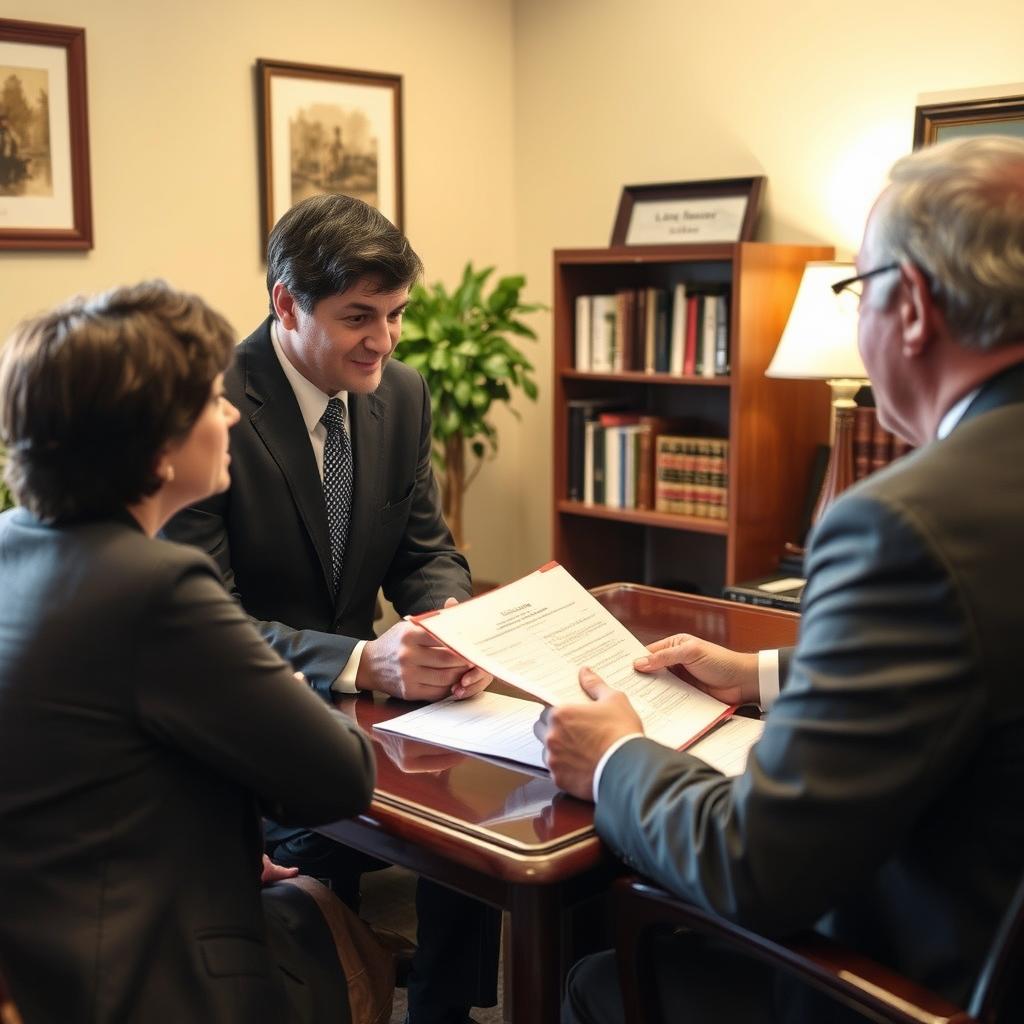
A kinship guardianship proceeding begins with a petition that outlines the child’s situation, the family relationships, and the reasons a guardianship is in the child’s best interests. Mr. Sris and his Of Counsel work with the petitioner to gather supporting documentation, including background information, medical records, and any prior court orders. They prepare the necessary filings and represent the proposed guardian at all hearings.
Throughout the case, counsel communicates with all parties involved, including the child’s parents, other relatives, and any guardian ad litem appointed by the court. They present evidence that explains why the relative is suited to care for the child and why the arrangement serves the child’s long‑term stability. Where possible, they negotiate agreements that avoid contested hearings; when litigation is necessary, they advocate thoroughly before the judge. Every step is guided by the goal of securing a safe, legally recognized home for the child.
The petition for kinship guardianship must include specific information about the child, the proposed guardian, and the biological parents. This includes the child’s current living situation, the nature of the relationship between the child and the proposed guardian, and an explanation of why the biological parents are not able to provide care at the present time. The court will also want to know about the proposed guardian’s background, living situation, and ability to meet the child’s needs. Mr. Sris and his Of Counsel assist clients in compiling this information and presenting it in a clear and organized manner that addresses each element the court will consider.
Once the petition is filed, the court schedules an initial hearing. Notice must be provided to the biological parents and any other individuals who have a legal interest in the child’s welfare. This notice requirement is an important procedural step, and failure to properly serve all necessary parties can result in delays or dismissal of the petition. The court may also appoint a guardian ad litem at this stage—an attorney who represents the child’s interests independently from both the petitioner and the biological parents. The guardian ad litem conducts an investigation, interviews the child if age‑appropriate, and makes a recommendation to the court about what arrangement would best serve the child’s welfare.
During the hearing, the judge examines the evidence presented by all parties. This may include testimony from the proposed guardian, the biological parents, family members, social workers, teachers, and other individuals who have knowledge of the child’s circumstances. The court reviews documents such as school records, medical records, and any prior court orders involving the child or the family. The judge applies the trusted‑interests standard set forth in Virginia law and determines whether the petitioner has demonstrated that kinship guardianship is the appropriate arrangement. In James City County, judges are familiar with these cases and understand the importance of providing children with stable, nurturing homes within their extended families.
About Mr. Sris and His Of Counsel Team
Mr. Sris, Owner and Founder of Law Offices Of SRIS, P.C., is a former prosecutor. His prior courtroom experience informs his approach to family law matters, including kinship guardianship. Mr. Sris testified before the Virginia House Courts of Justice Committee in support of 2019 HB 635 (chief patron Del. David Bulova). He is admitted to practice in Virginia, Maryland, the District of Columbia, New Jersey, and New York.
Mr. Sris is joined by a team of Of Counsel attorneys who bring a breadth of practice experience to family law cases. Together, they serve clients in James City County from the firm’s Richmond location. The firm practices in English, Spanish, and Tamil, ensuring that families from diverse backgrounds can participate fully in the legal process. To schedule a consultation, call (888) 437‑7747.
The Of Counsel team includes attorneys who have handled a range of family law matters in Virginia courts, including custody, visitation, adoption, and guardianship proceedings. This collective experience allows the firm to approach each case with an understanding of how different legal issues may intersect and affect the outcome of a kinship guardianship petition. Whether a case involves straightforward circumstances or more complex family dynamics, the team works collaboratively to develop a strategy tailored to the specific facts of the case and the needs of the child.
Common Questions About Kinship Guardianship in James City County
Families considering kinship guardianship often have questions about how the process works, what to expect, and what responsibilities come with the role of guardian. Below are some practical considerations that may be relevant for relatives who are thinking about filing a petition in James City County.
One question that arises frequently is how long the process takes. The timeline for a kinship guardianship case depends on several factors, including the court’s schedule, whether the biological parents consent to or contest the guardianship, and whether any additional investigations or evaluations are required. In some cases, if all parties agree and the court finds that the arrangement is in the child’s best interests, the matter may be resolved relatively quickly. In other situations, particularly when there is disagreement among the parties or when the court requires additional information before making a decision, the process may take longer. An attorney familiar with the local courts can provide a more specific estimate based on the details of a particular case.
Another common question concerns the rights and responsibilities of a kinship guardian. Once the court grants the guardianship, the guardian has the authority to make decisions about the child’s education, healthcare, and general welfare. The guardian can enroll the child in school, consent to medical treatment, and provide a stable home environment. The biological parents retain certain rights, such as the right to seek visitation in some circumstances, but the day‑to‑day decision‑making authority rests with the guardian. The court order establishing the guardianship will specify the scope of the guardian’s authority and any conditions or limitations that apply.
Relatives also ask about financial considerations. A kinship guardian is generally responsible for the child’s financial support, although in some cases the biological parents may be ordered to contribute to the child’s care. Additionally, the guardian may be able to access certain public benefits or resources available to caregivers. The specific financial arrangements depend on the circumstances of each case and the orders entered by the court. An attorney can help a proposed guardian understand what financial considerations may be relevant and how to address them during the guardianship proceeding.
Frequently Asked Questions
What is kinship guardianship in Virginia?
Kinship guardianship is a court‑created legal relationship that gives a relative the authority to care for and make decisions on behalf of a child when the biological parents are unable or unwilling to do so. It preserves the family bond while providing the guardian with the legal standing needed for school enrollment, medical care, and other daily responsibilities. The proceeding is filed under Va. Code § 64.2‑2000 et seq. And is decided based on the child’s best interests.
Who can petition for kinship guardianship in James City County?
A relative with a significant connection to the child—such as a grandparent, aunt, uncle, or adult sibling—may file a petition for kinship guardianship in the James City County Juvenile and Domestic Relations District Court or the Circuit Court. The petitioner must show that the child is in need of a guardian and that the proposed guardianship serves the child’s welfare. An experienced family law lawyer can assess eligibility and help prepare the petition.
What is the legal process for establishing kinship guardianship?
The process begins by filing a petition with the appropriate court and serving notice on the child’s biological parents and any other interested parties. The court may appoint a guardian ad litem to represent the child’s interests. A hearing is then scheduled, at which the judge reviews evidence, hears testimony, and determines whether the guardianship is in the child’s best interests. Counsel prepares the filings and presents the evidence in support of the guardianship.
How does kinship guardianship differ from adoption or custody?
Kinship guardianship does not terminate parental rights, while adoption permanently severs the legal relationship between the child and the biological parents. Custody, in contrast, is a more temporary arrangement that can be modified more easily. Kinship guardianship provides long‑term stability without the finality of adoption, which may be preferable in families where the parents hope to resume their role at some point.
Do I need a lawyer for a kinship guardianship case in James City County?
While you are not required to have a lawyer, an experienced family law attorney can help you navigate the legal requirements, prepare the petition correctly, and present a clear case to the court. Mistakes in paperwork or procedure can cause delays or an unfavorable outcome. Law Offices Of SRIS, P.C. represents relatives seeking kinship guardianship in James City County. Call (888) 437‑7747 for a consultation.
What factors does the court consider in granting kinship guardianship?
The court evaluates the child’s physical and emotional needs, the fitness and suitability of the proposed guardian, the relationship between the child and the relative, and any history of abuse or neglect. The judge also examines the biological parents’ circumstances and their ability to provide care. The overarching standard is the best interests of the child, which may include stability, continuity of care, and the relative’s commitment to a long‑term placement.
Related local pages:
Family law attorney in York County |
Family law representation in Williamsburg |
Family law serving Fairfax County
Primary legal resources:
Virginia Code Title 64.2, Chapter 20 — Guardianship |
Virginia Judicial System
Attorney advertising. Prior results do not guarantee a similar outcome.
Case results depend on a variety of factors unique to each case.