
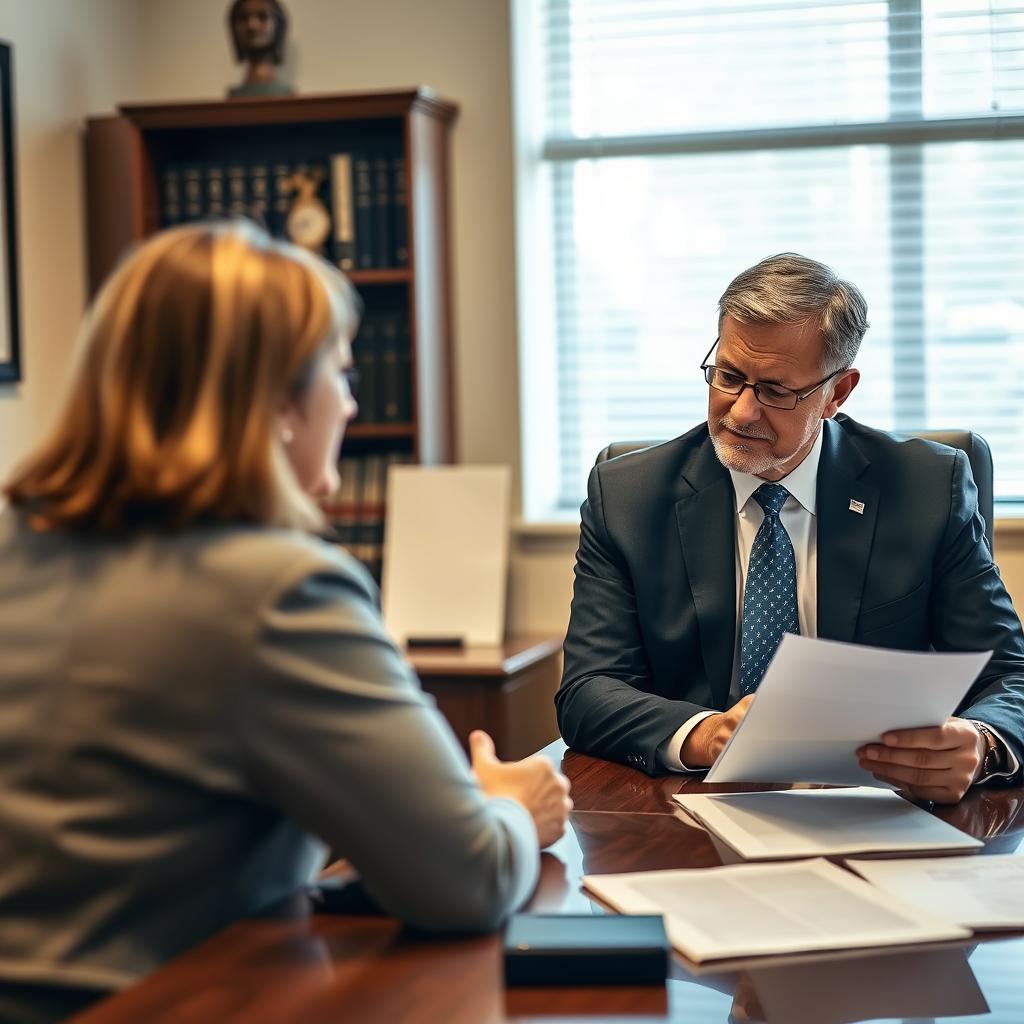
Estate Planning Lawyer Cortland County NY
Planning for your family’s future and protecting assets requires careful attention to New York law. In Cortland County, individuals and families work with experienced counsel to draft wills, establish trusts, appoint agents under powers of attorney, and prepare advance directives for healthcare. Law Offices Of SRIS, P.C., founded in 1997, provides representation in estate planning matters throughout Cortland County. Mr. Sris and the firm’s Of Counsel attorneys bring extensive combined legal experience to matters encompassing simple wills, complex trust planning, and multi-generational wealth transfers. From our Cortland County location at 46 Greenbush Street, Suite 301, Cortland, NY 13045 — available by appointment only — the team assists clients in building plans tailored to their specific objectives. To discuss your estate planning needs, call (888) 437-7747. Law Offices Of SRIS, P.C. – Advocacy Without Borders.
What Estate Planning Means in Cortland County
Estate planning in Cortland County involves more than executing a will. It addresses New York’s statutory scheme governing probate, intestate succession, and the recognition of advance directives. Residents of Cortland, Homer, McGraw, and surrounding communities frequently consult with an attorney to understand how New York’s Estates, Powers and Trusts Law (EPTL) interacts with their family situation. Because New York does not automatically recognize a durable power of attorney unless it meets specific statutory formalities, careful drafting is critical.
Cortland County Surrogate’s Court, located in the county seat, adjudicates probate and administration proceedings. Attorneys who practice in the Surrogate’s Court advise personal representatives on their fiduciary obligations, asset marshaling, and the preparation of estate tax returns if required. For many clients, the goal is to minimize the procedural burdens on loved ones while preserving control over distributions. A comprehensive estate plan can include a revocable living trust, which may avoid probate for certain assets, and a health care proxy that designates an agent to make medical decisions under New York Public Health Law.
Given that New York’s estate tax exemption and the federal exemption differ, planning strategies often incorporate credit shelter trusts or disclaimer provisions. The firm’s familiarity with local court procedures and the requirements of the Cortland County Surrogate’s Court allows it to prepare documents that are likely to be accepted without unnecessary delay. Whether you are a young parent naming a guardian for minor children, a business owner structuring succession, or a retiree updating an existing plan, the legal framework in Cortland County rewards proactive, well-documented planning.
How Mr. Sris and the Firm’s Of Counsel Attorneys Handle Estate Planning Cases
The estate planning process begins with a confidential consultation during which the attorney listens to your goals, family dynamics, and asset picture. Law Offices Of SRIS, P.C. handles each matter by constructing documents that align with your objectives under current New York law. Because estate planning is not merely transactional, the firm’s attorneys focus on communicating the practical effects of each instrument — for example, what happens when a named executor cannot serve, or how a trust is funded during lifetime.
After gathering pertinent information, the team drafts the core documents: a last will and testament, a durable general power of attorney, a health care proxy, and, where appropriate, a living will. For clients with blended families, special needs beneficiaries, or minor children, the attorneys may propose testamentary trusts or supplemental needs trusts. Every document is reviewed for compliance with New York’s execution formalities, which typically require disinterested witnesses and notarization. The firm then coordinates the signing ceremony, ensures proper attestation, and advises on safe storage and distribution of the original instruments.
Throughout the engagement, the firm emphasizes that estate planning is an ongoing process — not a one-time event. Changes in marriage, divorce, the birth of children, or significant shifts in asset values may warrant updating beneficiary designations and revisiting the plan. The attorneys remain available to assist with amendments, codicils, trust restatements, and successor fiduciary designations as circumstances evolve.
About Mr. Sris and the Firm’s Of Counsel Attorneys
Mr. Sris, Owner and Founder of Law Offices Of SRIS, P.C., began practicing in 1997 and is admitted in New York, Virginia, Maryland, the District of Columbia, and New Jersey. Mr. Sris testified before the Virginia House Courts of Justice Committee in support of 2019 HB 635 (chief patron Del. David Bulova). He draws on extensive experience across multiple practice areas to assist clients pursuing thoughtful, well-structured estate plans.
The firm’s Of Counsel attorneys bring broad knowledge in trusts, wills, elder law, and probate administration. With extensive combined legal experience, the team works collaboratively to address each client’s unique objectives. Mr. Sris and the firm’s Of Counsel attorneys have documented case results since 1997. Results may vary.
Frequently Asked Questions
What is included in a basic estate plan in New York?
A basic estate plan typically includes a last will and testament, a durable power of attorney, a health care proxy, and a living will. These documents work together to direct the disposition of assets after death, appoint an agent to manage financial affairs during incapacity, and designate someone to make medical decisions. In New York, each instrument must satisfy specific execution requirements under the Estates, Powers and Trusts Law and the Public Health Law. An attorney ensures that all formalities are met so the documents are enforceable when needed.
Do I need an estate planning lawyer in Cortland County if I have a small estate?
Even a modest estate benefits from professional drafting because New York’s intestacy statute distributes assets according to a fixed formula that may not match your wishes. If you die without a will, the Surrogate’s Court appoints an administrator, and your property passes to heirs in a predetermined order. An estate planning lawyer can prepare a simple will that designates your chosen executor and beneficiaries, potentially avoiding family disputes and unnecessary court proceedings. For young parents, a will also allows you to nominate a guardian for minor children.
How does a revocable living trust avoid probate in Cortland County?
A funded revocable living trust holds title to assets outside of your individual name, which generally allows those assets to pass directly to your beneficiaries without going through probate. During your lifetime, you retain control as trustee and can modify or revoke the trust. At your death, the successor trustee distributes the trust property according to the trust’s terms, bypassing the Cortland County Surrogate’s Court. This can save time, maintain privacy, and reduce administrative costs. Proper funding — retitling bank accounts, real estate, and other assets into the trust’s name — is essential.
What makes estate planning for blended families different?
Estate planning for blended families often requires careful balancing to provide for a surviving spouse while preserving assets for children from a prior relationship. Without a tailored plan, a surviving spouse might inherit all or most assets, and the children could be disinherited if the spouse later remarries or changes the plan. Attorneys commonly use qualified terminable interest property (QTIP) trusts, credit shelter trusts, or life estate arrangements to address these concerns. The goal is to clearly define the rights of each family member under New York law.
How do I choose an estate planning lawyer in Cortland County?
Look for a lawyer who practices regularly in New York estate planning, is familiar with local Surrogate’s Court procedures, and communicates the rationale behind each recommendation. An initial consultation allows you to assess whether the attorney listens carefully to your concerns and explains the options in plain language. Experience with both simple and complex plans, as well as a practical approach to funding trusts and coordinating beneficiary designations, is also valuable. To discuss your situation, contact Law Offices Of SRIS, P.C. at (888) 437-7747.
When should I update my estate plan?
You should review your estate plan after major life events such as marriage, divorce, the birth or adoption of a child, a significant change in assets, or a move to another state. Changes in New York law or federal tax rules may also warrant an update. Even without a triggering event, periodic reviews every three to five years help ensure that the appointed fiduciaries are still willing and able to serve and that beneficiary designations on retirement accounts and life insurance are aligned with the overall plan. An attorney can advise whether a codicil or a full restatement is appropriate.
Attorney advertising. Prior results do not guarantee a similar outcome. Case results depend on a variety of factors unique to each case. Results may vary. Law Offices Of SRIS, P.C. provides estate planning services. Our Cortland County location is at 46 Greenbush Street, Suite 301, Cortland, NY 13045, by appointment only. Reach our location at (888) 437-7747. Central New York proximity: Our Cortland County office is approximately 150 miles from Buffalo. Travel may be required for clients in Buffalo or other distant Central NY locations.