
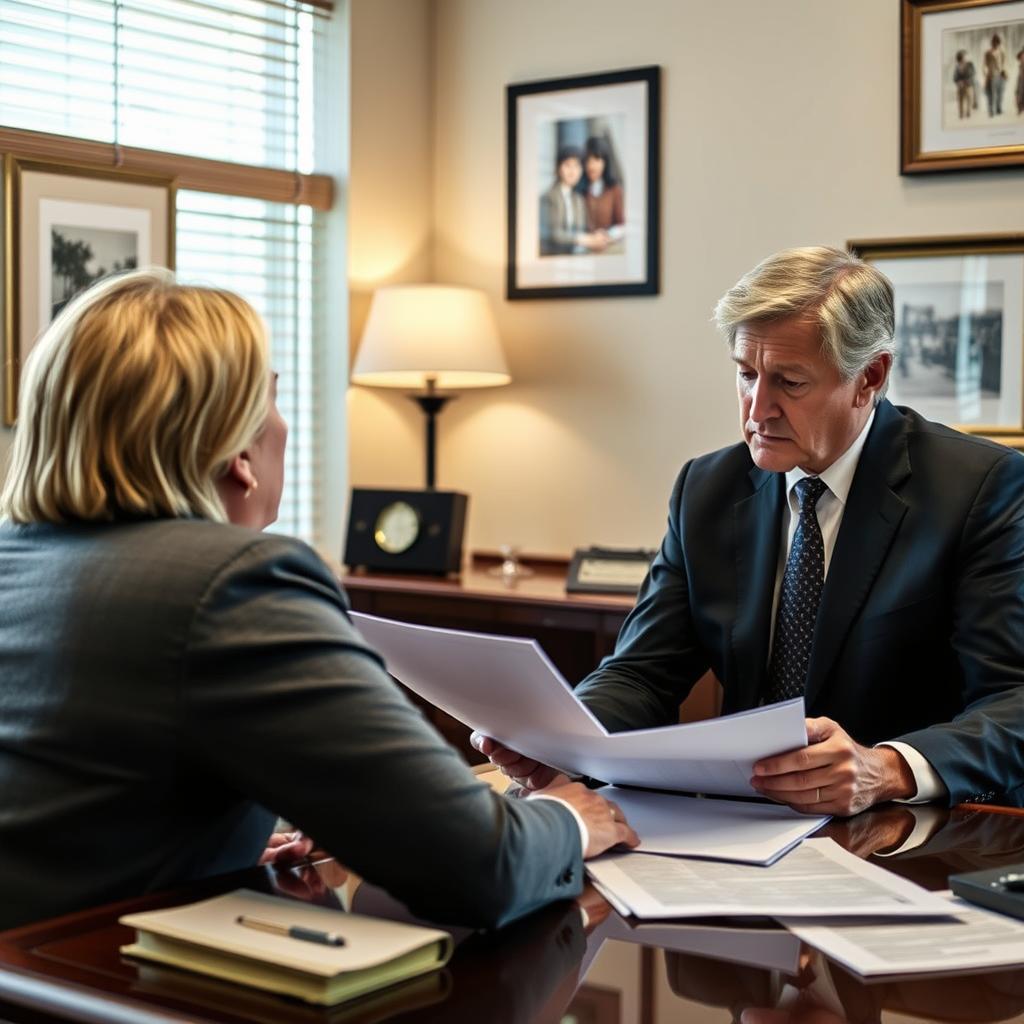
Rehabilitative Alimony Lawyer Virginia Beach, VA
Rehabilitative alimony—spousal support ordered for a limited period to allow a dependent spouse to obtain the education or training necessary to become self-supporting—is one of the most frequently contested issues in Virginia divorce cases. In Virginia Beach, these matters are heard in the Virginia Beach City Circuit Court at 2425 Nimmo Parkway, Bldg 10B, Virginia Beach, VA 23456. Whether you are seeking rehabilitative support or opposing a request for it, the outcome turns on a detailed analysis of the statutory factors set out in Virginia Code § 20‑107.1. Mr. Sris and the firm’s Of Counsel attorneys represent clients in Virginia Beach spousal support matters, working to present a clear, evidence‑based picture of each party’s financial circumstances and future prospects. To schedule a consultation, call Law Offices Of SRIS, P.C. at (888) 437‑7747. Law Offices Of SRIS, P.C. – Advocacy Without Borders.
What Rehabilitative Alimony Means in Virginia Beach
Under Virginia law, spousal support—often referred to as alimony—may be awarded in several forms. Rehabilitative alimony is a type of durational support designed to bridge the gap between the end of a marriage and the point at which the recipient spouse can reasonably be expected to become self‑supporting. It is not permanent; the court sets a specific end date or a future review point by which the recipient should have completed a training program, earned a degree, or otherwise entered the workforce at a sustainable income level.
Virginia Code § 20‑107.1 directs the court to consider thirteen statutory factors when determining whether to award spousal support, the amount, and the duration. Those factors include the earning capacity, education, and training of each spouse; the duration of the marriage; the standard of living established during the marriage; the contributions of each spouse to the family; and any age or health conditions affecting employability. In Virginia Beach, the Circuit Court applies these factors within the local economic context, often ordering vocational evaluations or expert testimony to assess a spouse’s realistic employment prospects in the Hampton Roads region. Cases are routinely resolved through negotiation or mediation, but when an agreement cannot be reached, the court holds an evidentiary hearing and issues a final decree that includes a spousal support determination.
How Mr. Sris and the Firm’s Of Counsel Attorneys Handle Rehabilitative Alimony Cases
Every rehabilitative alimony case begins with a thorough financial inventory. Mr. Sris and the firm’s Of Counsel attorneys gather income documentation, expense statements, retirement account balances, and evidence regarding each spouse’s vocational history and future earning capacity. For a spouse seeking support, the goal is to demonstrate both a genuine need and a concrete, realistic plan for becoming self‑supporting within a defined period. For a spouse opposing a request, the focus shifts to showing that the other spouse already possesses marketable skills, has been offered employment, or could reasonably achieve self‑sufficiency without an extended period of support.
Once the financial picture is clear, the firm’s attorneys work to build a persuasive narrative for the court or to negotiate a fair separation agreement that resolves support without litigation. When a hearing becomes necessary, the firm presents witness testimony, financial experienced attorney analysis, and documentary evidence tailored to the Virginia Beach Circuit Court’s procedures. Throughout the process, the firm remains accessible by phone at (888) 437‑7747, and clients receive candid assessments about the likely range of outcomes based on the specific facts of their case.
About Mr. Sris and the Firm’s Of Counsel Attorneys
Law Offices Of SRIS, P.C. was founded in 1997 by Mr. Sris, a former prosecutor who now serves as Owner and Founder of the firm. Mr. Sris is admitted in Virginia, Maryland, the District of Columbia, New Jersey, and New York, and has practiced family law across these jurisdictions for decades. His involvement with Virginia spousal support law extends beyond the courtroom: Mr. Sris testified before the Virginia House Courts of Justice Committee in support of 2019 HB 635 (chief patron Del. David Bulova), a bill that revised the equitable distribution and spousal support provisions of the Virginia Code.
The firm’s Of Counsel attorneys bring extensive combined legal experience. They concentrate their practice on family law and related litigation, appearing regularly in Virginia Beach courts. Together, Mr. Sris and the firm’s Of Counsel attorneys work to resolve rehabilitative alimony disputes efficiently, whether through negotiated settlement or court‑ordered resolution. Results may vary.
Frequently Asked Questions
What is rehabilitative alimony in Virginia?
Rehabilitative alimony is a temporary form of spousal support intended to help a financially dependent spouse acquire education or training so they can become self‑supporting. Unlike permanent support, it has a defined endpoint tied to the completion of a vocational plan. Virginia courts consider the factors in Va. Code § 20‑107.1, including the length of the marriage, each spouse’s earning capacity, and the time reasonably necessary for the recipient to achieve economic independence.
How is rehabilitative alimony different from permanent spousal support?
Rehabilitative alimony lasts only until the recipient spouse is expected to become self‑supporting, while permanent support may continue indefinitely. In Virginia, courts generally favor rehabilitative support when the dependent spouse can realistically re‑enter the workforce after a period of training or education. Permanent support is reserved for spouses who, because of age, health, or other factors, are unlikely to ever achieve self‑sufficiency.
Can rehabilitative alimony be modified after it is ordered?
Yes, rehabilitative alimony can be modified if there is a material change in circumstances. Examples include the payor’s loss of income, the recipient’s failure to make good‑faith efforts to become self‑supporting, or the recipient’s early attainment of financial independence. A party seeking modification must file a motion with the Virginia Beach Circuit Court and present evidence of the changed circumstances.
What factors does the Virginia Beach court consider when awarding rehabilitative alimony?
The Virginia Beach Circuit Court evaluates the thirteen factors listed in Va. Code § 20‑107.1. These include the ages and physical condition of each spouse, their respective earning capacities, the duration of the marriage, the standard of living during the marriage, the contributions each spouse made to the family, and any education or training required for the dependent spouse. The court may also consider local employment conditions and may appoint a vocational experienced attorney to assess the recipient’s prospects.
Do I need a lawyer to seek or oppose rehabilitative alimony in Virginia Beach?
While you are not required to hire a lawyer, representing yourself in a contested spousal support hearing can be risky. Rehabilitative alimony decisions involve detailed financial analysis, expert testimony, and procedural rules specific to the Virginia Beach Circuit Court. An experienced family law attorney can help you present the evidence needed to support your position and can negotiate a settlement that avoids the uncertainty of trial. To discuss your matter with Mr. Sris and the firm’s Of Counsel attorneys, call (888) 437‑7747.
How do I contact a rehabilitative alimony lawyer in Virginia Beach, VA?
You can reach Law Offices Of SRIS, P.C. at (888) 437‑7747 to schedule a consultation about rehabilitative alimony. The firm’s Richmond location serves clients throughout the Virginia Beach area and appears regularly in the Virginia Beach City Circuit Court. Appointments are available by phone and in person; contact the firm to arrange a time that works for you.
Related family law services in Virginia:
Fairfax County family law lawyer |
Fairfax City family law lawyer |
Falls Church family law lawyer |
Prince William County family law lawyer |
Manassas family law lawyer
Virginia legal resources:
Virginia Code § 20‑107.1 (spousal support) |
Virginia Judicial System |
Virginia Beach Circuit Court
Attorney advertising. Prior results do not guarantee a similar outcome. Results may vary. Case results depend on a variety of factors unique to each case.