
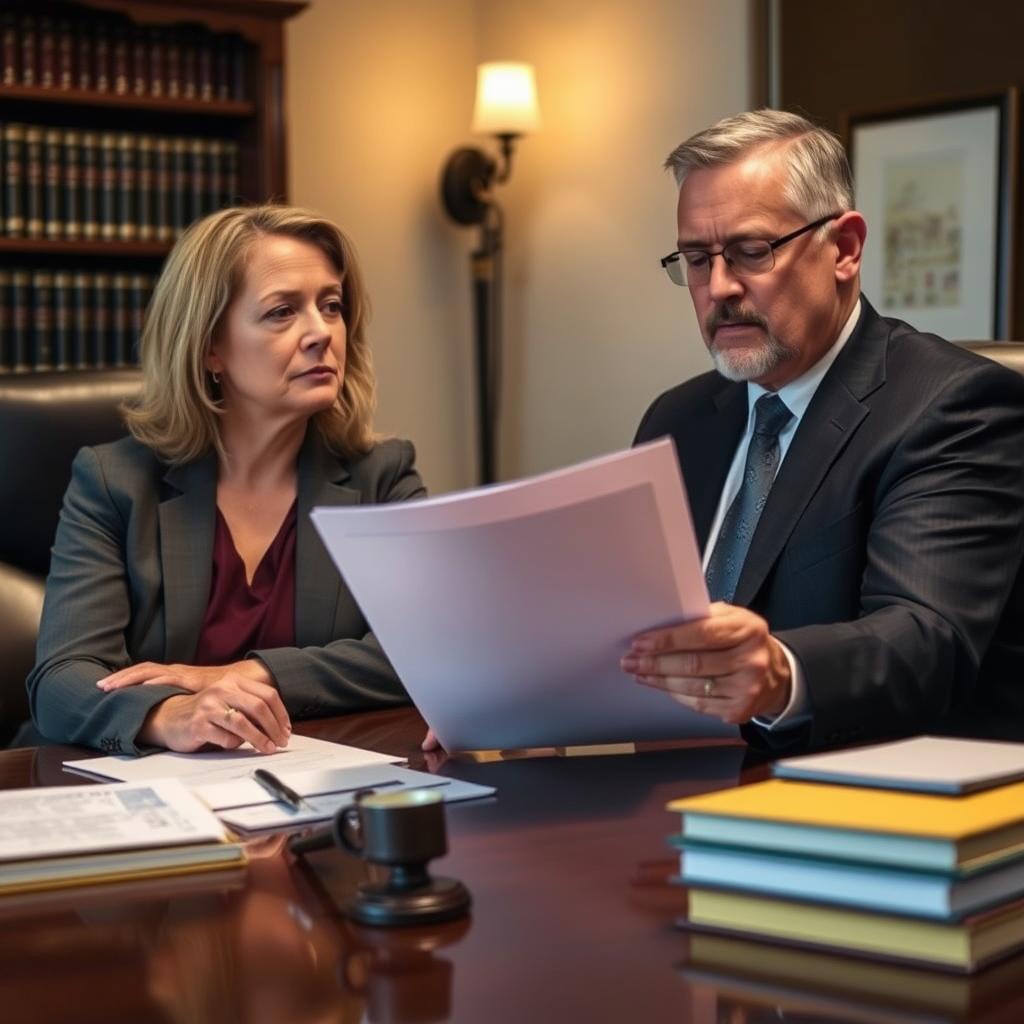
Adultery Divorce Lawyer Isle of Wight County, VA
In Virginia, a spouse may file for divorce on the ground of adultery. Unlike no‑fault divorce, which requires a separation period of six months or one year, an adultery‑based divorce under Va. Code § 20‑91(1) carries no mandatory separation period. For a spouse who has been wronged by marital infidelity, this fault ground can preserve the right to seek an immediate resolution. In Isle of Wight County—a community that includes Smithfield, Windsor, and Carrollton—adultery divorce cases are filed in the Isle of Wight County Circuit Court at 17122 Monument Circle, Suite A, Isle of Wight, VA 23397. The court has exclusive jurisdiction over divorce and property division, while custody and support matters are heard in the Isle of Wight County Juvenile and Domestic Relations District Court. Law Offices Of SRIS, P.C., founded in 1997, concentrates its practice in family law and represents clients throughout Isle of Wight County. Mr. Sris, a former prosecutor, and his Of Counsel team bring over 120 years of combined legal experience to adultery divorce cases—from gathering evidence to negotiating property settlements. Results may vary. To request a consultation about an adultery‑based divorce, reach our location at (888) 437‑7747. Law Offices Of SRIS, P.C. – Advocacy Without Borders.
Adultery Divorce in Isle of Wight County: What It Means
Adultery is one of the fault‑based grounds for divorce from the bond of matrimony in Virginia. Under Va. Code § 20‑91(1), a court may grant a divorce if the defendant spouse is proved guilty of adultery. Unlike no‑fault grounds that require the parties to live separate and apart for a year—or for six months if there are no minor children and the parties have signed a separation agreement—an adultery ground has no waiting period. Once the court finds that adultery occurred and that the evidence is corroborated, the divorce may be entered immediately.
For Isle of Wight County residents, an adultery divorce can affect much more than the dissolution itself. Because Virginia is an equitable distribution state, the court divides marital property under Va. Code § 20‑107.3 by weighing eleven statutory factors. Marital misconduct, including adultery, can influence the court’s decision about the division of assets and the award of spousal support. A spouse seeking an adultery divorce may ask the court to grant a larger share of the marital estate or to deny support to the adulterous spouse. However, the court considers all the circumstances—the duration of the marriage, each party’s monetary and non‑monetary contributions, and the economic circumstances of the parties—not simply the fault ground.
Because adultery claims often involve sensitive facts, the procedural path in Isle of Wight County requires careful attention. The divorce complaint is filed in the Isle of Wight County Circuit Court, while custody, visitation, and support matters proceed in the Juvenile and Domestic Relations District Court. The court may appoint a guardian ad litem for minor children. Mediation is available but not mandatory. An experienced family law attorney can help a client gather admissible evidence—such as electronic records, witness testimony, and financial data—while ensuring that the presentation complies with Virginia’s rules of evidence.
How Mr. Sris and His Of Counsel Handle Adultery Divorce Cases
Mr. Sris and his Of Counsel team approach every adultery divorce matter with a thorough evaluation of the client’s goals. The first step is a consultation during which the attorney listens to the client’s account, reviews any available evidence, and explains the legal framework. Because adultery must be proved by clear and convincing evidence, the attorney works with the client to identify corroborating sources—whether digital communications, financial records, or witness statements—that can support the claim.
Once the complaint is filed in the Isle of Wight County Circuit Court, the Of Counsel team may handle all pretrial proceedings, including discovery, motions for pendente lite relief, and settlement negotiations. If the opposing spouse disputes the adultery allegation, the case proceeds toward trial. At trial, Mr. Sris and his Of Counsel present the evidence, examine witnesses, and argue why the divorce should be granted on the fault ground and how the property division should reflect the misconduct. Should a negotiated resolution be possible, the team drafts a property settlement agreement that protects the client’s interests while avoiding the time and expense of trial. Throughout the process, the attorneys keep the client informed about the court’s scheduling and the steps involved.
Because no separation period is required, adultery‑based divorces may reach a conclusion faster than no‑fault divorces, but the actual timeline depends on the court’s calendar, the complexity of the estate, and the willingness of the parties to settle. Mr. Sris and his Of Counsel work to move the case forward efficiently while building the strongest possible presentation.
About Mr. Sris and His Of Counsel Team
Mr. Sris, Owner and Founder of Law Offices Of SRIS, P.C., is a former prosecutor who has concentrated in family law since 1997. His background gives him insight into evidentiary challenges and courtroom dynamics that often arise in adultery divorce cases. Mr. Sris testified before the Virginia House Courts of Justice Committee in support of 2019 HB 635 (chief patron Del. David Bulova), a measure that revised the equitable distribution statute, Va. Code § 20‑107.3. He is admitted to practice in Virginia, Maryland, the District of Columbia, New Jersey, and New York.
Mr. Sris is joined by a team of Of Counsel attorneys who bring extensive litigation experience to family law matters. Collectively, Mr. Sris and his Of Counsel have more than 120 years of combined legal experience. Results may vary. They have documented 4,739+ case results across all practice areas since 1997. in any particular case. The Of Counsel team handles discovery, motion practice, and trial preparation under Mr. Sris’s guidance, ensuring that each adultery divorce case receives thorough attention.
Frequently Asked Questions
How does a Virginia lawyer defend against adultery divorce charges?
A Virginia lawyer may defend against adultery divorce charges by challenging the sufficiency and admissibility of the evidence, asserting procedural defenses, or negotiating a settlement that avoids a public trial on the fault ground. Because adultery must be proved by clear and convincing evidence, defense counsel examines whether the accuser can produce corroborating testimony or documents that meet this standard. If evidence was obtained in violation of privacy laws, a motion to suppress may be filed. In some cases, the parties reach a property settlement and the divorce proceeds on a no‑fault ground, eliminating the need to litigate the adultery allegation. An attorney experienced in Virginia family law can evaluate the specific facts and build a defense tailored to the circumstances.
What should I do if I am facing adultery divorce charges in Isle of Wight County?
If you are facing an adultery‑based divorce, consult a Virginia family law attorney promptly and avoid discussing the case with anyone except your lawyer. Gather and preserve any relevant documents—texts, emails, financial records—but do not delete or alter electronic evidence, as that may harm your credibility. An attorney can assess whether the allegation is legally sound and advise you on responding to the complaint. Because Virginia law does not require a separation period for adultery grounds, the case may move quickly. Early legal guidance helps protect your interests in property division, spousal support, and, if children are involved, custody and visitation.
What are the penalties for adultery divorce in Virginia?
Adultery is not a criminal penalty in a divorce context, but a finding of adultery can have significant financial consequences—the court may award a larger share of marital property to the innocent spouse and may deny spousal support to the adulterous spouse. Under Va. Code § 20‑107.3, marital misconduct is one of eleven factors the court considers in equitable distribution. A spouse found guilty of adultery may receive a smaller portion of the marital estate. Additionally, under § 20‑107.1, a spouse who commits adultery is generally barred from receiving spousal support unless the denial would cause a manifest injustice. Although adultery remains a Class 4 misdemeanor under Virginia criminal law, criminal prosecutions are exceedingly rare.
Can adultery affect child custody in Isle of Wight County?
A parent’s adultery alone does not automatically affect child custody, but if the adulterous conduct impacts the child’s well‑being or the parent’s ability to care for the child, the court may consider it as a factor in determining the child’s best interests. Isle of Wight County Juvenile and Domestic Relations District Court, and the Circuit Court in the context of divorce, apply the ten factors listed in Va. Code § 20‑124.3. Adultery that exposes a child to harmful situations or demonstrates poor judgment may weigh against the adulterous parent. However, the court’s primary focus remains the child’s welfare, not punishing a parent’s marital misconduct.
How long does an adultery divorce take in Isle of Wight County?
The time needed for an adultery divorce varies by the complexity of the case and the court’s schedule, but because no separation period is required, an adultery‑based divorce may be concluded more quickly than a no‑fault divorce. If the parties reach a settlement on all issues, the matter can proceed to a final hearing once the court’s calendar permits. Contested adultery cases that go to trial on the fault ground may take longer, particularly if the marital estate is large or the evidence is disputed. The attorneys at Law Offices Of SRIS, P.C. work to move the case forward while building a thorough presentation.
Related family law services: Fairfax County family law practice | Prince William County family law lawyer | Manassas (City) family law attorney | Virginia family law overview.
Primary legal sources: Virginia Code § 20‑91 | Virginia Code § 20‑107.3 | Virginia Courts.
Attorney advertising. Prior results do not guarantee a similar outcome. Results may vary. Law Offices Of SRIS, P.C., founded in 1997, serves clients in Virginia, Maryland, the District of Columbia, New Jersey, and New York. Reach our location at (888) 437‑7747. Consultations by appointment.
Case results depend on a variety of factors unique to each case.