
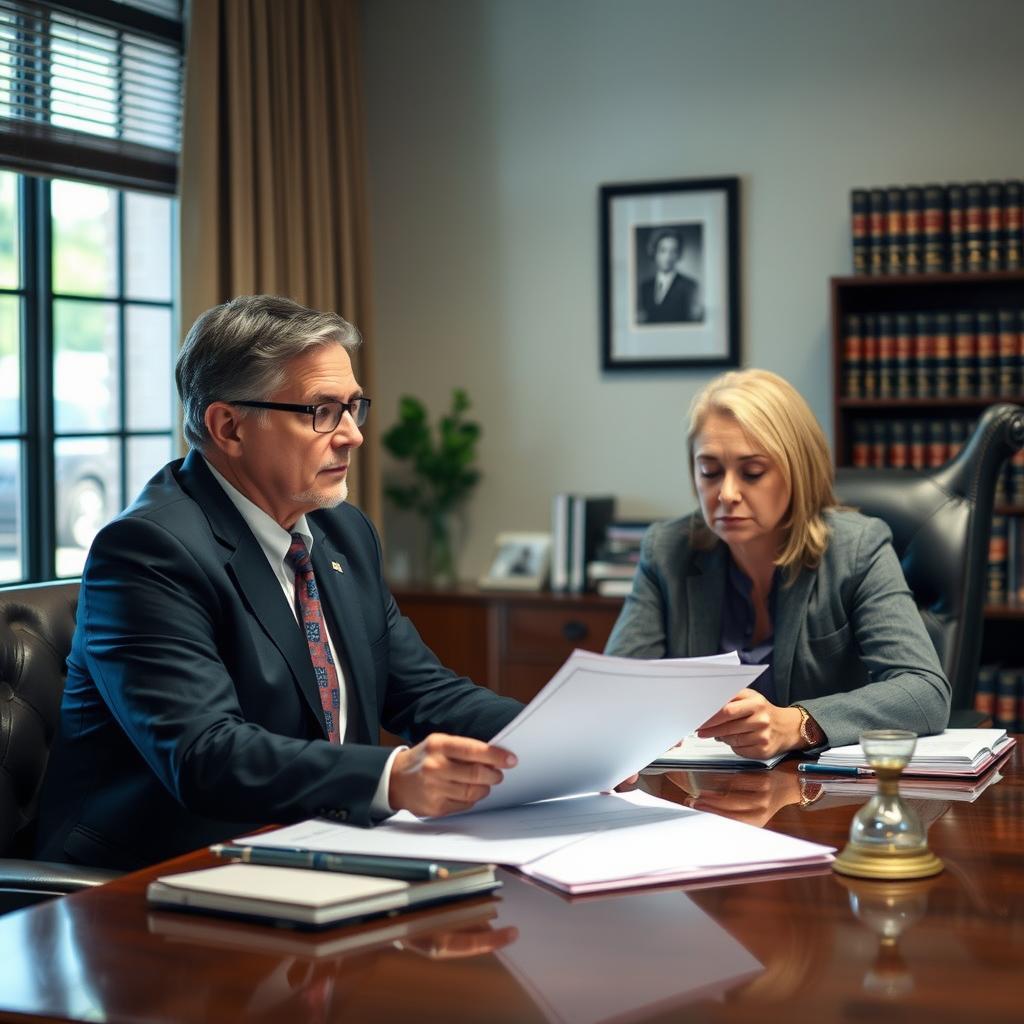
Cruelty Divorce Lawyer Virginia, VA
When a marriage is harmed by conduct that endangers a spouse’s physical or mental wellbeing, Virginia law permits a divorce on the ground of cruelty. A cruelty divorce allows the injured spouse to move forward without the separation period required for a no-fault divorce. Mr. Sris, Owner and Founder of Law Offices Of SRIS, P.C. He concentrates part of his practice on fault-based divorce matters, including cruelty. Since 1997 the firm has represented individuals across Virginia in the Circuit Courts where divorce complaints are filed. Whether cruelty is evidenced by physical abuse, threats, verbal degradation, or a pattern of behavior that makes cohabitation unreasonable, the legal standard focuses on the safety and dignity of the spouse seeking relief. To discuss a potential cruelty divorce in Virginia, reach Law Offices Of SRIS, P.C. at (888) 437-7747. Law Offices Of SRIS, P.C. – Advocacy Without Borders.
What Cruelty Divorce Means in Virginia
Virginia is both a no-fault and a fault-based divorce state. Under Va. Code § 20-91, fault grounds include adultery, cruelty, desertion, and conviction of a felony. Cruelty, as interpreted by Virginia courts, can be physical or mental. It does not require a single act of violence; a pattern of verbal abuse, threats, humiliation, or controlling behavior may be sufficient if it makes continued cohabitation unsafe or intolerable. Critically, filing for divorce on the ground of cruelty does not require a separation period—the complaint may be filed immediately once the grounds exist.
Divorce actions in Virginia are filed in the Circuit Court of the city or county where either spouse resides. The complaint must allege facts sufficient to show that the misconduct rises to the level of cruelty recognized by Virginia law. The court will consider the totality of the circumstances, including any evidence of physical harm, emotional trauma, or a pattern of conduct that endangers the spouse’s wellbeing. The court may also address child custody, visitation, and support within the same proceeding, although those issues are often heard in the Juvenile and Domestic Relations District Court if filed separately. Law Offices Of SRIS, P.C. Represented clients in Circuit Courts throughout the Commonwealth, from Fairfax County to Virginia Beach. The firm’s attorneys understand how Virginia judges evaluate fault grounds and can advise on the strength of a cruelty claim before a complaint is filed.
How Mr. Sris and His Of Counsel Handle Cruelty Divorce Cases
Every cruelty divorce starts with a careful review of the facts. Mr. Sris and his Of Counsel evaluate the evidence available to support a cruelty allegation—this can include witness statements, medical records, police reports, texts, emails, and other documentation. Because cruelty must be proven by a preponderance of the evidence, the team works with clients to preserve all relevant material and to identify corroborating witnesses. When appropriate, Mr. Sris and his Of Counsel explore whether the parties can resolve the matter through a negotiated property settlement agreement that acknowledges the fault ground without a contested trial.
If the case cannot be resolved by agreement, the firm prepares for litigation. That includes drafting a detailed complaint, requesting temporary relief such as pendente lite spousal support or exclusive use of the marital residence, and presenting evidence at trial. Mr. Sris is a former prosecutor, and his Of Counsel team includes attorneys with substantial trial experience. They focus on presenting a clear, fact-driven case that demonstrates the impact of the cruelty on the client’s safety and the marriage. Throughout the process, the firm emphasizes practical communication and keeps clients informed of developments. The ultimate goal is to secure a divorce decree that protects the client’s legal rights and financial interests.
About Mr. Sris and His Of Counsel Team
Mr. Sris is the Owner and Founder of Law Offices Of SRIS, P.C. He is a former prosecutor and has practiced law since 1997. He is admitted in Virginia, Maryland, the District of Columbia, New Jersey, and New York. Mr. Sris has testified before the Virginia House Courts of Justice Committee in support of 2019 HB 635 (chief patron Del. David Bulova). His background includes experience with both criminal and family law matters, a combination that informs his approach to fault-based divorce cases involving allegations of domestic misconduct.
Mr. Sris and his Of Counsel team bring over 120 years of combined legal experience and have achieved 4,739+ documented firm-wide results. Results may vary. The Of Counsel attorneys who work on Virginia family law matters have handled matters in Circuit Courts across the state and are familiar with local court practices. All non-Sris attorneys serve as Of Counsel; the firm has no associates or partners. Mr. Sris and his Of Counsel serve clients from the firm’s Fairfax location at 4008 Williamsburg Court, Fairfax, VA 22032, and meet by appointment. Calls are answered at (888) 437-7747.
Frequently Asked Questions
What is cruelty divorce in Virginia?
In Virginia, cruelty divorce is a fault-based ground for ending a marriage when one spouse’s conduct endangers the other’s physical or mental safety and makes cohabitation unreasonable. The ground is codified in Va. Code § 20-91, which permits the court to grant a divorce “for cruelty, or reasonable apprehension of bodily hurt.” Cruelty can be a single severe act or a pattern of abusive behavior that destroys the marital relationship. Unlike a no-fault divorce, a cruelty filing does not require a separation period; a complaint may be filed as soon as the cruel conduct is established. The court evaluates the evidence presented and determines whether the behavior meets the legal threshold. A final decree of divorce on the ground of cruelty can be entered after proof is established at a hearing or trial.
How is cruelty proven in a Virginia divorce case?
Proof of cruelty in a Virginia divorce case is established through witness testimony, documents, and other evidence demonstrating that a spouse’s conduct created a reasonable fear of harm or made living together unbearable. A party alleging cruelty typically presents medical records if physical injury occurred, police reports, text messages, emails, and testimony from neighbors, friends, or family members who witnessed the behavior. The testimony of the injured spouse is often central, but corroborating evidence strengthens the case. The court assesses whether the misconduct is more likely than not to have occurred. Because Virginia courts view cruelty claims seriously, Mr. Sris and his Of Counsel help clients gather and organize the strongest evidence available. If sufficient proof is lacking, the firm may advise alternatives, including a no-fault divorce or a negotiated agreement.
Do I need a lawyer for a cruelty-based divorce in Virginia?
You are not legally required to hire a lawyer for a cruelty-based divorce, but navigating the procedural and evidentiary demands of a fault ground is complex, and legal guidance can be essential. A cruelty complaint must articulate specific facts that meet Virginia’s legal definition, and the court will require proof at trial if the matter is contested. An experienced attorney can evaluate whether the facts support a cruelty claim, draft the complaint, handle service of process, and represent your interests at hearings. Mr. Sris and his Of Counsel focus on helping clients understand the strengths and weaknesses of their case before proceeding. To discuss whether a cruelty filing is appropriate for your situation, contact Law Offices Of SRIS, P.C. at (888) 437-7747.
What impact does cruelty have on property division and spousal support in Virginia?
A cruelty finding can affect spousal support and, in limited circumstances, the equitable distribution of marital property under Virginia law. Under Va. Code § 20-107.3, Virginia courts distribute marital property equitably based on multiple factors, and fault—including cruelty—may be considered as one of the circumstances contributing to the dissolution of the marriage. More commonly, fault grounds influence a court’s decision on spousal support. A spouse found guilty of cruelty may be ordered to pay support even if the other spouse has some income, and the injured spouse may be more likely to receive an award. The specific outcome depends on the facts of each case and the judge’s discretion. For personalized guidance, reach Mr. Sris and his Of Counsel at (888) 437-7747.
How long does a cruelty divorce take in Virginia?
The timeline for a cruelty divorce in Virginia varies depending on whether the case is contested, the court’s calendar, and the complexity of the evidence. An uncontested divorce based on cruelty—where both parties sign a settlement agreement resolving all issues—can be completed within a few months of filing. A contested trial, however, may take many months or longer, especially if pendente lite motions, discovery, and expert evaluations are required. Because cruelty does not require a separation period, the initial filing can occur promptly, but the overall duration depends on the willingness of the parties to cooperate and the availability of court dates. Mr. Sris and his Of Counsel work to move cases forward efficiently while ensuring that their clients are fully prepared for each stage.
Related topics:
Primary sources: Virginia Code § 20-91 — Virginia’s Judicial System
Attorney advertising. Prior results do not guarantee a similar outcome.
Case results depend on a variety of factors unique to each case.
Results may vary.