
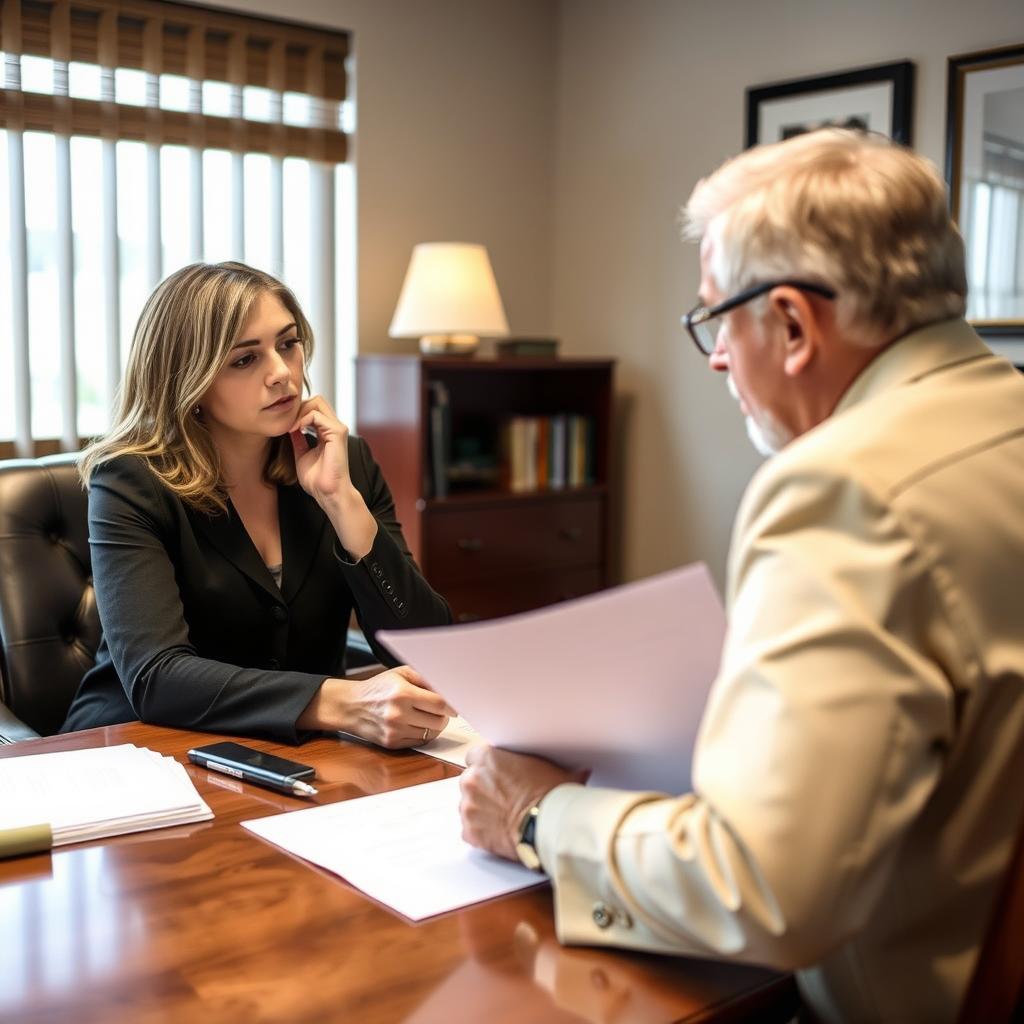
Legal Custody Lawyer Dinwiddie County, VA
Legal custody in Dinwiddie County, Virginia, determines which parent has the authority to make major decisions about a child’s health, education, religious upbringing, and general welfare. When parents living in Dinwiddie, McKenney, or surrounding communities cannot agree on legal custody, the Dinwiddie County Juvenile and Domestic Relations District Court or, if the custody matter is part of a divorce, the Dinwiddie County Circuit Court must decide. Mr. Sris and his Of Counsel at Law Offices Of SRIS, P.C. represent parents in legal custody disputes throughout Dinwiddie County, bringing more than 120 years of combined legal experience and 4,739+ documented firm-wide results to the courtroom. Results may vary. The firm’s experience includes contested custody trials, modification petitions, and enforcement of existing orders, always guided by the child’s best interests under Virginia law. Reach Law Offices Of SRIS, P.C. at (888) 437-7747 to request a consultation. Law Offices Of SRIS, P.C. – Advocacy Without Borders.
What Legal Custody Means in Dinwiddie County
In Virginia, legal custody is the right to make significant life decisions for a child. It is distinct from physical custody, which governs where the child lives and the day-to-day care. A parent with legal custody can decide matters such as which school the child attends, what medical care the child receives, and whether the child participates in religious activities. Courts in Dinwiddie County may award sole legal custody to one parent or joint legal custody to both, depending on what arrangement serves the child’s best interests.
The statutory framework for custody determinations is set out in Va. Code § 20-124.3, which lists ten factors the court must consider. These factors include the age and physical and mental condition of each parent and child, the relationship between the child and each parent, the role each parent has played in the child’s upbringing, the willingness of each parent to support the child’s relationship with the other parent, and any history of family abuse. The Dinwiddie County Juvenile and Domestic Relations District Court hears standalone custody, visitation, and support cases. If the custody dispute arises within a divorce proceeding, the Dinwiddie County Circuit Court at the Dinwiddie Courthouse exercises jurisdiction. The court may also appoint a guardian ad litem to represent the child’s interests in contested legal custody matters. Because each family’s circumstances are unique, the weight given to each factor varies with the evidence presented.
Dinwiddie County’s proximity to Petersburg and its location along the I-85 corridor make it a region where families may move across jurisdictional lines. Parents who relocate or who have ties to other Virginia localities face additional procedural considerations. The firm’s Richmond Location at 7400 Beaufont Springs Drive, Suite 300, Room 395, Richmond, VA 23225 serves clients throughout Dinwiddie County and the surrounding area. When legal custody issues arise, having an attorney who regularly appears in the county’s courts can help navigate the local procedural expectations effectively.
How Mr. Sris and His Of Counsel Handle Legal Custody Cases
Mr. Sris and his Of Counsel approach every legal custody matter with a focus on the specific facts of the family and the statutory best-interests factors that Virginia courts apply. The legal team begins by gathering the documentation necessary to present a complete picture of the parent’s relationship with the child, the child’s needs, and any concerns about the other parent’s fitness or conduct. This preparation may include school records, medical records, communication logs between the parents, and testimony from witnesses who can speak to the family dynamic.
In Dinwiddie County, legal custody disputes are often resolved through negotiation or mediation before a trial becomes necessary. Virginia does not mandate mediation in all custody cases, but the courts encourage parents to reach an agreement when possible. Mr. Sris and his Of Counsel represent clients during settlement discussions and, when an agreement cannot be reached, prepare for contested hearings before the Dinwiddie County Juvenile and Domestic Relations District Court or the Dinwiddie County Circuit Court. The team presents evidence, examines witnesses, and advocates for a custody arrangement that aligns with the child’s best interests. If circumstances change after an initial order—such as a parent’s relocation, a change in the child’s needs, or concerns about the other parent’s compliance—the firm also handles modification and enforcement proceedings. Every case is handled with attention to the procedural rules that govern custody litigation in Virginia.
About Mr. Sris and His Of Counsel Team
Mr. Sris, Owner and Founder of Law Offices Of SRIS, P.C., has concentrated his practice on family law matters including legal custody disputes since founding the firm in 1997. A former prosecutor, Mr. Sris brings a thorough understanding of courtroom advocacy to every case. He testified before the Virginia House Courts of Justice Committee in support of 2019 HB 635 (chief patron Del. David Bulova). Mr. Sris is admitted to practice in Virginia, Maryland, the District of Columbia, New Jersey, and New York. He works alongside his Of Counsel attorneys—experienced litigators who handle family law, criminal defense, and related practice areas—to provide clients with a collective pool of more than 120 years of combined legal experience and 4,739+ documented firm-wide results. Results may vary.
Frequently Asked Questions
What is legal custody in Virginia?
Legal custody is the authority to make major decisions about a child’s upbringing, including education, health care, and religious instruction. In Virginia, legal custody is distinct from physical custody, which concerns where the child lives. A parent with sole legal custody has the exclusive right to make these decisions, while joint legal custody requires both parents to share decision-making authority. The court awards legal custody based on the best interests of the child, considering the factors listed in Va. Code § 20-124.3. Even when parents share legal custody, they may still have disagreements that require court intervention. Mediation and negotiation can resolve many disputes without a trial, but if an agreement cannot be reached, the court will make the final determination after a hearing. A lawyer can help a parent present evidence supporting the custody arrangement that best serves the child’s needs.
How does legal custody differ from physical custody?
Legal custody involves decision-making authority, while physical custody determines where the child resides and the daily care schedule. A parent with physical custody provides the child’s basic needs—food, shelter, and supervision—on a day-to-day basis. Legal custody, by contrast, covers significant long-term choices such as selecting a school, consenting to medical treatment, or guiding the child’s religious upbringing. It is possible for one parent to hold sole legal custody while the other has primary physical custody, though courts often prefer arrangements that keep both parents involved in the child’s life. In Dinwiddie County custody proceedings, the court evaluates both types of custody separately, applying the trusted-interests standard to each. Understanding the distinction can help parents frame their requests and present relevant evidence to the court.
How does Dinwiddie County court decide legal custody?
Dinwiddie County courts decide legal custody by applying the ten best-interests factors listed in Va. Code § 20-124.3 to the specific facts of the family. The Dinwiddie County Juvenile and Domestic Relations District Court handles standalone custody cases, while the Dinwiddie County Circuit Court decides custody within a divorce. The court considers each parent’s relationship with the child, the child’s needs, each parent’s willingness to support the other parent’s contact with the child, any history of abuse, and other relevant factors. The judge may also appoint a guardian ad litem to investigate and make a recommendation. Parents presenting a custody case should be prepared to provide testimony and documents that address these factors. The outcome depends on the evidence, not on a presumption in favor of either parent. Working with an experienced attorney can help a parent organize the information the court needs to make an informed decision.
Can a legal custody order be modified in Virginia?
Yes, a legal custody order may be modified if there has been a material change in circumstances and the modification serves the child’s best interests. Virginia courts do not favor frequent disruptions to a child’s life, so a parent seeking modification must show that something significant has changed since the original order—such as a parent’s relocation, a change in the child’s medical or educational needs, or concerns about the other parent’s conduct. The parent filing the modification petition bears the burden of proving both the change in circumstances and that the proposed new arrangement is in the child’s best interests. The same court that entered the original order generally retains jurisdiction. In Dinwiddie County, the process involves filing a motion for modification in the Juvenile and Domestic Relations District Court or the Circuit Court, depending on the case’s procedural history. A lawyer can help evaluate whether the change is legally sufficient to justify a modification and present the case to the court.
Do I need a lawyer for a legal custody case in Dinwiddie County?
You are not required by law to have a lawyer for a legal custody case, but legal representation can help you navigate procedural rules, gather evidence, and advocate for your position effectively. Custody cases involve statutory factors, evidence rules, and courtroom procedures that can be difficult to manage without legal training. A lawyer can help you understand how the court is likely to weigh the factors, prepare the necessary pleadings, and present testimony and exhibits in compliance with court rules. In Dinwiddie County, the Juvenile and Domestic Relations District Court and the Circuit Court follow specific local procedures. Furthermore, if the other parent is represented by counsel, proceeding without a lawyer can put you at a significant disadvantage. Mr. Sris and his Of Counsel offer consultations to discuss your legal custody matter and explain how they can assist. Schedule a consultation by calling (888) 437-7747.
How does domestic violence affect legal custody in Virginia?
A history of family abuse is one of the ten factors the court must consider in determining legal custody, and a finding of abuse can weigh heavily against awarding custody to the abusive parent. Under Virginia law, the court must examine any history of family abuse or sexual abuse when deciding what custody arrangement serves the child’s best interests. If the court finds that a parent has committed abuse, it may limit that parent’s custody rights or require supervised visitation. A parent who has been the victim of abuse can present evidence of the abuse, including protective orders, law enforcement records, or testimony from witnesses. The Dinwiddie County Juvenile and Domestic Relations District Court has authority to issue protective orders and to address custody in that context. In any custody case involving allegations of abuse, it is essential to have legal representation to ensure the court has the full picture and that the child’s safety remains the priority. Contact Law Offices Of SRIS, P.C. at (888) 437-7747 to discuss your situation.
Attorney advertising. Prior results do not guarantee a similar outcome. Case results depend on a variety of factors unique to each case. Results may vary. Attorney responsible for this advertising: Mr. Sris.