
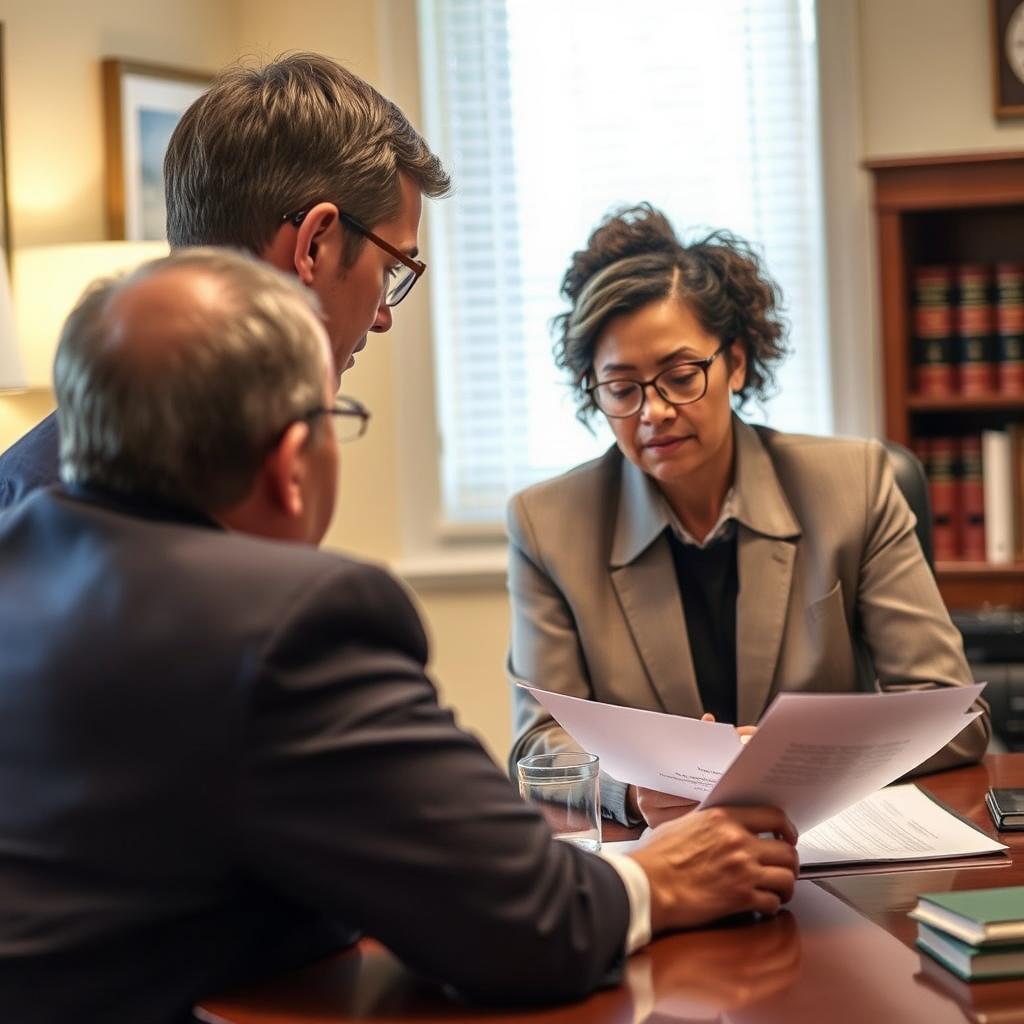
Minor Guardianship Lawyer Dinwiddie County, VA
When a child’s parents are unable to provide proper care, a Virginia court may appoint a guardian to ensure the child’s safety, education, and day‑to‑day welfare. A minor‑guardianship proceeding in Dinwiddie County is filed under Title 64.2 of the Code of Virginia, and the case is heard in the Dinwiddie County Circuit Court or, in some circumstances, the Juvenile and Domestic Relations District Court. Whether you are a relative seeking to provide stability for a child, a parent responding to a petition, or a concerned adult asking the court to step in, having an experienced family‑law attorney who understands how Dinwiddie County courts handle these matters can make a meaningful difference. Mr. Sris and his Of Counsel team represent clients throughout the Eleventh Judicial District. To request a consultation, call Law Offices Of SRIS, P.C. at (888) 437‑7747. Law Offices Of SRIS, P.C. – Advocacy Without Borders.
Minor guardianship proceedings in Virginia are governed by Va. Code § 64.2‑2000 et seq.
Source: Code of Virginia, Title 64.2, Chapter 20. Virginia Code Title 64.2
Reviewed by Mr. Sris, admitted in VA/MD/DC/NJ/NY.
What Minor Guardianship Means in Dinwiddie County
A minor guardianship is a court‑ordered arrangement in which a responsible adult—often a grandparent, aunt, uncle, or family friend—is given legal authority to make decisions for a child and provide day‑to‑day care. Unlike adoption, guardianship does not terminate the parents’ rights; it suspends them temporarily. The guardian steps into the role of caregiver while the child’s parents are unable to fulfill that role because of illness, incarceration, substance‑abuse challenges, military deployment, or other circumstances that leave the child without proper care.
In Dinwiddie County, a petition for minor guardianship is typically filed in the Dinwiddie County Circuit Court. If the matter is ancillary to an existing custody or support proceeding, the Juvenile and Domestic Relations District Court may also handle certain aspects. The court’s primary concern is the best interests of the child—whether the proposed guardian is fit and whether the placement will promote the child’s health, safety, and welfare. The court examines the child’s relationship with the proposed guardian, the parents’ current ability to care for the child, and any other relevant factors.
Law Offices Of SRIS, P.C. serves Dinwiddie County from its Richmond location. Mr. Sris and his Of Counsel are familiar with the filing practices and judicial expectations in the Eleventh Judicial District and work to present the court with a complete, well‑organized record so that a minor‑guardianship matter can proceed efficiently.
How Law Offices Of SRIS, P.C. handles Minor Guardianship Cases
A guardianship case begins with a detailed petition that explains why the child needs a guardian and why the proposed guardian is the right person for the role. The petition must be served on the child’s parents—or, if a parent is unavailable, the court may require alternative service. The court often appoints a guardian ad litem to advocate for the child’s interests, and a hearing is scheduled where the judge hears testimony and reviews evidence.
Mr. Sris and his Of Counsel team assist clients at every stage: preparing the guardianship petition with the necessary factual support, coordinating with the guardian ad litem when one is appointed, and representing the proposed guardian—or the parents—at the hearing. Because a guardianship order can affect visitation rights, child‑support obligations, and future custody proceedings, it is important to approach the case with a clear understanding of how the outcome will interact with other family‑law orders. The team’s experience in Virginia family law helps clients anticipate and address those collateral issues.
For contested guardianships—where a parent objects to the petition or where multiple family members seek appointment—the litigation can involve discovery, expert testimony, and a full evidentiary hearing. In those situations, Mr. Sris and his Of Counsel work to develop a record that supports the client’s position while keeping the child’s stability at the center of the discussion.
About Mr. Sris and His Of Counsel Team
Mr. Sris, Owner and Founder of Law Offices Of SRIS, P.C., has practiced law since 1997. He is a former prosecutor whose experience in Virginia courtrooms spans criminal, traffic, and family law matters. Mr. Sris testified before the Virginia House Courts of Justice Committee in support of 2019 HB 635 (chief patron Del. David Bulova). He is admitted to practice in Virginia, Maryland, the District of Columbia, New Jersey, and New York.
When you work with the firm on a minor‑guardianship matter, you benefit from extensive combined legal experience between Mr. Sris and his Of Counsel. The team draws on decades of collective familiarity with Virginia’s family‑law courts, including the Dinwiddie County Circuit Court and the Juvenile and Domestic Relations District Court. Results may vary. For questions about your situation, reach the firm at (888) 437‑7747.
Frequently Asked Questions
What is a minor guardianship in Virginia?
A minor guardianship is a court order that places a child under the care of a responsible adult who is not the child’s parent, without terminating parental rights. Virginia law authorizes the appointment under Va. Code § 64.2‑2000 et seq. The guardian assumes responsibility for the child’s daily needs, medical care, and education while the court retains oversight. The arrangement is intended to be temporary, although it can continue until the child reaches majority. Unlike adoption, guardianship does not sever the legal relationship between the child and the parents.
How do I file for guardianship of a minor in Dinwiddie County?
You begin by filing a petition for guardianship in the Dinwiddie County Circuit Court, setting out the reasons the child needs a guardian and why you are the appropriate person for the role. The petition must include detailed facts about the child’s living situation, the parents’ circumstances, and your relationship with the child. Notice must be served on the parents. The court typically appoints a guardian ad litem to represent the child’s interests, and a hearing is held before the judge makes a decision. Working with an experienced family‑law attorney helps ensure the petition is complete and avoids procedural delays.
Do I need a lawyer for a minor guardianship case in Virginia?
While Virginia law does not require you to have an attorney, guardianship proceedings involve legal standards, evidence rules, and potential disputes that are difficult to navigate alone. A lawyer can assist with drafting the petition, advising on the facts the court considers most important, and presenting your case at the hearing. If the parents object, the proceeding becomes contested litigation where having counsel to examine witnesses and argue legal points can be critical. For guidance on your specific situation, reach Law Offices Of SRIS, P.C. at (888) 437‑7747.
Can a minor guardianship be contested in Dinwiddie County?
Yes, a parent or another interested party can object to the guardianship petition, and the court will hold an evidentiary hearing to resolve the dispute. The parental objection triggers a higher evidentiary standard: the petitioner must prove by clear and convincing evidence that the parents are unfit or that placement with the guardian is in the child’s best interests. The court may weigh testimony from family members, teachers, medical providers, and the guardian ad litem. Contested guardianships often involve discovery and cross‑examination, so having an attorney who understands local court procedures is important.
What factors does a Virginia court consider when deciding a minor guardianship?
The court’s paramount consideration is the best interests of the child. The judge examines the child’s age, physical and mental condition, the fitness of the proposed guardian, the nature of the child’s relationship with the parents and the proposed guardian, the parents’ current ability to care for the child, and any history of abuse or neglect. The court also considers the child’s preference if the child is of sufficient age and maturity to express a reasoned opinion. A guardian ad litem’s report is often influential in the decision.
How does the guardianship process work in Dinwiddie County from start to finish?
The process begins with filing a verified petition in the Dinwiddie County Circuit Court. After the petition is filed, the court issues a notice to the parents and any other interested parties. A guardian ad litem is appointed to investigate and report to the court. The court may set a preliminary hearing to address immediate safety concerns. At the final hearing, the judge hears testimony and reviews evidence, then enters an order either granting or denying the guardianship. If granted, the guardian receives letters of guardianship that can be used to enroll the child in school, obtain medical care, and handle other day‑to‑day affairs. The entire timeline depends on the court’s calendar and the complexity of the case.
Internal‑link guidance:
- Family law representation in Fairfax County
- Family law representation in Prince William County
- Family law representation in Manassas
Virginia Primary Sources:
Attorney advertising. Prior results do not guarantee a similar outcome. Results may vary.
Case results depend on a variety of factors unique to each case.