
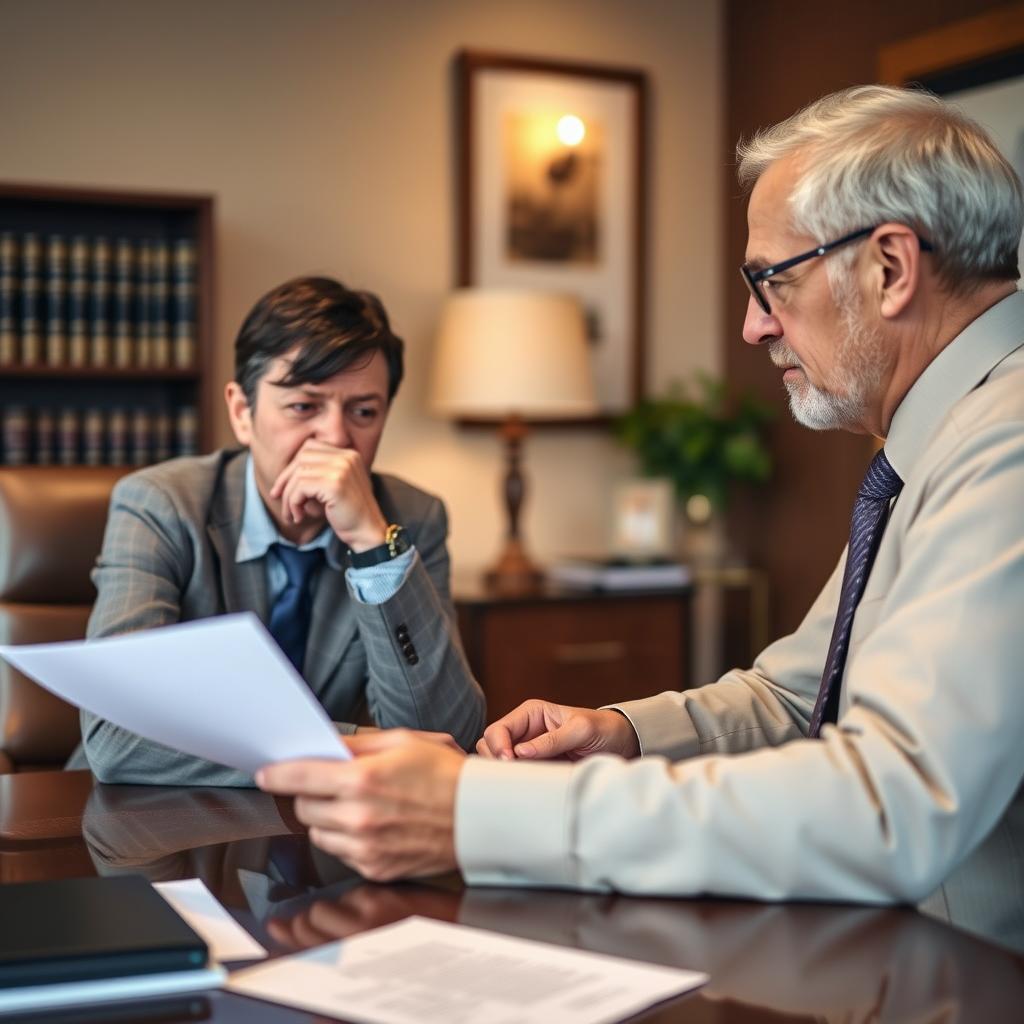
Rehabilitative Alimony Lawyer Fauquier County, VA
If you are seeking a rehabilitative alimony lawyer in Fauquier County, Virginia, you need an attorney who understands both the statutory framework and how the local courts approach these matters. Rehabilitative alimony — often called spousal support — is not a permanent obligation. Under Virginia Code § 20-107.1, it is designed to provide financial assistance to a spouse for a limited period while they acquire the education or training necessary to re‑enter the workforce and become self‑supporting. The Fauquier County Circuit Court, located at 6 Court Street in Warrenton, exercises exclusive jurisdiction over divorce and spousal support matters, applying a detailed set of factors to determine whether rehabilitative support is warranted, how much to award, and for how long. Law Offices Of SRIS, P.C. serves clients throughout Fauquier County, including Warrenton, New Baltimore, Bealeton, Marshall, and The Plains, from our Fairfax location. For a consultation, call (888) 437-7747. Law Offices Of SRIS, P.C. – Advocacy Without Borders.
What Rehabilitative Alimony Means in Fauquier County, Virginia
Rehabilitative alimony in Fauquier County is a form of temporary spousal support that the Circuit Court may award after a divorce. Its purpose is to give the recipient spouse the opportunity to gain the skills, training, or education needed to achieve financial independence. Unlike permanent or indefinite support, rehabilitative alimony is tied to a specific goal — such as completing a degree program, obtaining a professional certification, or re‑entering a career after a long absence from the workforce — and the payments ordinarily end when that goal is reasonably within reach.
Virginia law gives the court broad discretion in setting the amount and duration of rehabilitative support. The judge evaluates the circumstances of both parties, including the recipient’s need for financial assistance during the transition period and the paying spouse’s ability to provide it, while also considering the overall fairness of the arrangement. Because the Fauquier County Circuit Court handles both divorce and equitable distribution, issues of spousal support and property division often intersect; the overall financial picture of the marriage influences how the court structures the rehabilitative plan. A well‑documented proposal for the recipient’s education or training, supported by evidence of cost, timeline, and employability, is typically key to obtaining a favorable order.
The court evaluates spousal support requests using thirteen factors listed in Virginia Code § 20-107.1, including the earning capacity and obligations of each party, the duration of the marriage, the standard of living during the marriage, and the contributions of each spouse to the family’s well‑being.
Source: Va. Code § 20-107.1. Virginia Law – § 20-107.1
Reviewed by Mr. Sris, admitted in VA / MD / DC / NJ / NY.
How Mr. Sris and His Of Counsel Handle Rehabilitative Alimony Cases
When a client comes to Law Offices Of SRIS, P.C. with a rehabilitative alimony issue in Fauquier County, the first step is a careful review of the couple’s financial circumstances and the recipient spouse’s realistic prospects for self‑sufficiency. Mr. Sris and the firm’s Of Counsel attorneys gather information about each party’s income, assets, debts, education, work history, and health, as well as any existing custody or support arrangements. This factual foundation allows the legal team to evaluate whether a claim for rehabilitative support is likely to succeed and, if so, what a reasonable plan might look like.
The firm then presents the client’s position to the Fauquier County Circuit Court, either through negotiation or formal litigation. When the parties can agree, Mr. Sris and his Of Counsel draft a detailed separation agreement that includes a rehabilitative alimony provision tailored to the recipient’s training plan. If the matter is contested, the firm advocates for the client at trial, presenting evidence of the recipient’s need, the plan’s feasibility, and the paying spouse’s ability to contribute. Throughout the process, Mr. Sris and his Of Counsel work to achieve a resolution that is both fair and workable, keeping the client informed of the legal options and the likely timeline in the local courts.
About Mr. Sris and the Firm’s Of Counsel Attorneys
Mr. Sris, Owner and Founder of Law Offices Of SRIS, P.C., is a former prosecutor who has been practicing since 1997. He is admitted in Virginia, Maryland, the District of Columbia, New Jersey, and New York. His background includes trial experience and a thorough understanding of how Virginia courts approach family law disputes, including the nuanced area of spousal support. Mr. Sris testified before the Virginia House Courts of Justice Committee in support of 2019 HB 635 (chief patron Del. David Bulova), legislation that affected certain aspects of family law procedure in the Commonwealth.
The firm’s Of Counsel attorneys bring additional perspective and experience, allowing the legal team to address the full range of issues that often accompany a rehabilitative alimony claim — from child custody (India is not a signatory to the 1980 Hague Convention on Civil Aspects of International Child Abduction.) and property division to enforcement of existing support orders. Every attorney who works on a Fauquier County matter is familiar with the Twentieth Judicial District and the procedures of the local courts.
Frequently Asked Questions
What is rehabilitative alimony in Virginia?
Rehabilitative alimony is temporary spousal support designed to help a spouse obtain the education or training needed to become financially independent after divorce. Virginia law authorizes the court to award this type of support under Va. Code § 20‑107.1, and the payments are ordinarily limited to a defined period tied to the completion of a specific training or educational program. Unlike permanent support, rehabilitative alimony is forward‑looking and goal‑oriented. The recipient must present a viable plan, and the court will weigh that plan against the paying spouse’s ability to assist.
How does the Fauquier County Circuit Court decide whether to award rehabilitative alimony?
The Fauquier County Circuit Court determines rehabilitative alimony by applying the factors in Va. Code § 20‑107.1, including the recipient’s financial need and the paying spouse’s ability to pay. The judge considers the length of the marriage, each spouse’s age and health, the standard of living during the marriage, and the contributions each made to the family. The court also looks at the recipient’s proposed plan for training or education — how realistic it is, how long it will take, and whether it will genuinely lead to self‑sufficiency. A strong, well‑documented plan can significantly influence the court’s decision.
Can rehabilitative alimony be modified after it is ordered?
Yes, rehabilitative alimony may be modified if there has been a material change in circumstances, such as a loss of employment or an unanticipated change in the recipient’s ability to complete the planned training. Either party can petition the Fauquier County Circuit Court to adjust the support amount or duration. However, the court will not modify the order unless the change is significant and was not contemplated at the time of the original award. It is important to document the change thoroughly and to bring the request promptly.
Do I need a lawyer to handle a rehabilitative alimony matter in Fauquier County?
While you are not legally required to hire an attorney, having experienced legal counsel can be critical because spousal support decisions involve complex financial analysis and discretionary judicial standards. An attorney can help you present a clear, evidence‑based plan to the court or negotiate a settlement that protects your interests. Without representation, you risk missing important procedural deadlines or failing to present the full financial picture the court needs. For a consultation, reach Mr. Sris and his Of Counsel at (888) 437-7747.
What should I do if I have been ordered to pay rehabilitative alimony I cannot afford?
If you believe you cannot afford the rehabilitative alimony you have been ordered to pay, you should seek legal assistance immediately to determine if a modification is possible. Do not stop making payments on your own; doing so can lead to contempt proceedings. Gather your recent pay stubs, tax returns, and any evidence of a change in your financial circumstances. An attorney can evaluate whether a material change in circumstances exists and, if so, file a motion with the Fauquier County Circuit Court to request a modification of the support order.
Local family law resources: Family law representation in Fairfax County | Family law matters in Prince William County | Loudoun County family law guidance | Spousal support in Stafford County
Virginia legal references: Virginia Code § 20-107.1 – Spousal Support Factors | Virginia Circuit Courts – Fauquier County
Attorney advertising. Prior results do not guarantee a similar outcome. Results may vary.
Case results depend on a variety of factors unique to each case.