
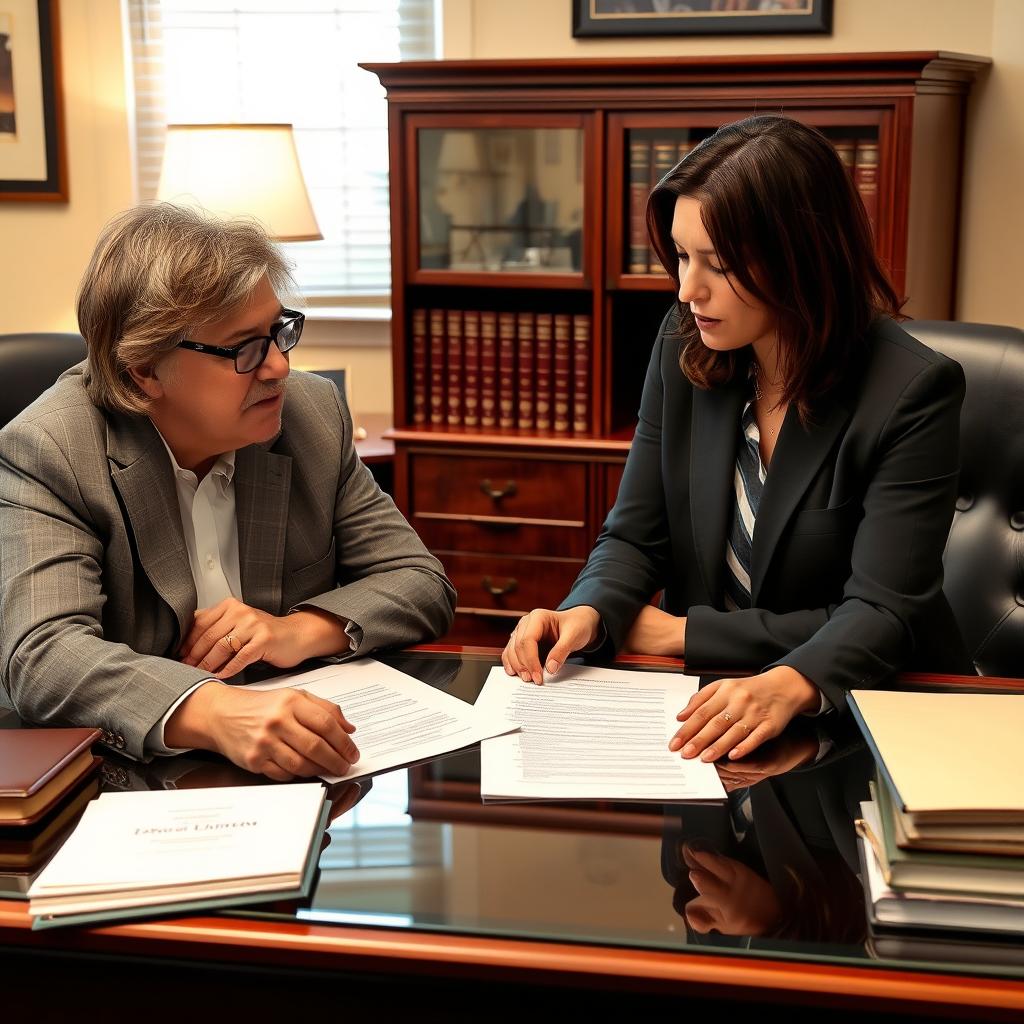
Temporary Guardianship Lawyer Louisa County, VA
When a child’s parents cannot provide care—whether due to illness, military deployment, substance-use struggles, or other circumstances—a relative or family friend in Louisa County often steps in to keep the child safe and stable. That caregiver needs legal authority to enroll the child in school, consent to medical treatment, and make everyday decisions. A temporary guardianship order from the local court gives that authority. At Law Offices Of SRIS, P.C., Mr. Sris and his Of Counsel team represent clients throughout Louisa County who are seeking temporary guardianship of a child. We guide families through the process from the initial petition to the court hearing. To discuss your situation with an experienced family law attorney, reach our firm at (888) 437-7747.
What Temporary Guardianship Means in Louisa County
Temporary guardianship is a legal arrangement that places a child with a responsible adult—often a grandparent, aunt, uncle, or family friend—for a limited period, usually while the child’s parents are temporarily unable to provide care. A temporary guardian has the legal authority to make day-to-day decisions about the child’s education, healthcare, and general welfare. This is not the same as adoption, nor does it permanently end the parents’ rights; it is a short-term measure designed to protect the child during a period of instability.
In Louisa County, Virginia, temporary guardianship petitions are typically filed in the Louisa County Juvenile and Domestic Relations District Court, which handles matters involving the custody and welfare of children. The court applies the trusted-interests-of-the-child standard under Va. Code § 20-124.3, carefully weighing factors such as the child’s relationship with the proposed guardian, the parents’ circumstances, and the child’s need for stability. An experienced family law attorney can present the facts in a way that helps the court understand why the guardianship serves the child’s best interests.
How Temporary Guardianship Works in Virginia
Virginia law provides a framework for temporary guardianship under Title 64.2 of the Virginia Code. The process generally begins with the filing of a petition in the appropriate court—typically the Juvenile and Domestic Relations District Court when the child’s parents are involved, or the Circuit Court in certain contexts. The petitioner must demonstrate that the child’s parents are currently unable or unwilling to provide adequate care, and that the proposed guardian is suitable and willing to assume responsibility.
The court will schedule a hearing where the judge reviews the evidence, hears testimony from the petitioner and any other interested parties, and considers factors such as the child’s living situation, the parents’ health and behavior, and the child’s preferences if the child is of sufficient age and maturity. The court may appoint a guardian ad litem to represent the child’s interests. The entire process—from filing to the entry of an order—varies in duration depending on the court’s calendar, whether the petition is contested, and the complexity of the family’s circumstances. Because the timeline depends on multiple court-specific factors, it is important to work with an attorney who is familiar with the procedures and expectations of the Louisa County courts.
The Legal Process for Temporary Guardianship in Louisa County
Louisa County is part of the Sixteenth Judicial District of Virginia. Temporary guardianship petitions are heard by the Louisa County Juvenile and Domestic Relations District Court, located in Louisa. The court is presided over by judges who are experienced in family law matters and who apply the Virginia statutes and local court rules that govern guardianship proceedings. Mr. Sris and his Of Counsel attend hearings at this court on behalf of our clients and present the necessary evidence and argument to support a temporary guardianship order.
Our firm’s Richmond location serves clients throughout Louisa County, including the communities of Louisa, Mineral, and Zion Crossroads. Clients meet with us by appointment at our Richmond location to discuss their case, prepare documents, and get ready for court. We are available by phone at (888) 437-7747 to answer questions and schedule consultations. Because the firm has represented numerous individuals in family law matters across Virginia, our team understands the local court culture and knows how to present a guardianship case effectively.
Why Legal Representation Matters in a Temporary Guardianship Case
While no one is required by law to hire an attorney for a temporary guardianship petition, having legal guidance can make a significant difference. The process involves detailed legal paperwork, notice requirements, evidentiary standards, and courtroom procedure. A misstep—such as failing to give proper notice to the parents or not adequately documenting the child’s circumstances—can lead to delays or an unfavorable outcome. An experienced family law attorney can prepare the necessary pleadings, gather and present evidence, and speak on the petitioner’s behalf during the hearing.
Mr. Sris and his Of Counsel have handled a wide range of family law matters in Virginia courts. They understand the statutory requirements under Va. Code § 64.2-2000 et seq., the factors the court considers, and how to present a clear and compelling case for temporary guardianship. The lawyers work with clients to collect supporting documents—such as school records, medical records, and statements from other family members—that demonstrate the child’s need for a stable placement. They also guide clients through what to expect at the hearing, including the types of questions a judge may ask. Throughout the process, the goal is to help the client obtain a timely and appropriate court order that serves the child’s well-being. Results may vary.
About Mr. Sris and His Of Counsel Team
Mr. Sris, Owner and Founder of Law Offices Of SRIS, P.C., is a former prosecutor who has practiced law since 1997. He is admitted in Virginia, Maryland, the District of Columbia, New Jersey, and New York. His background as a former prosecutor gives him insight into how to construct a persuasive case and present evidence effectively in court. Mr. Sris and his Of Counsel bring extensive combined legal experience to family law matters, including temporary guardianship cases. Results may vary.
Our firm’s Of Counsel attorneys are experienced practitioners who work collaboratively with Mr. Sris on family law cases. The team approach means that clients benefit from the collective knowledge and courtroom experience of multiple lawyers while maintaining a personal connection with the lead attorney on their case. We serve clients throughout Louisa County and the surrounding region from our Richmond location, and we are available to meet by appointment at a time that works for our clients. To learn more about how we can help, call (888) 437-7747 to request a consultation.
Frequently Asked Questions About Temporary Guardianship in Louisa County
What is the difference between temporary guardianship and custody?
Temporary guardianship gives a non-parent the legal authority to make decisions for a child for a limited time, while custody orders determine the child’s living arrangements and decision-making authority in a dispute between parents or other relatives. Custody cases typically arise in the context of a divorce or separation, whereas temporary guardianship is sought when parents are unavailable or unable to care for the child but there is no underlying custody conflict between them. The standards and procedures differ; a guardianship order may be easier to modify or terminate than a custody order, depending on the circumstances. The Louisa County Juvenile and Domestic Relations District Court hears both types of cases, but the legal requirements and the focus of the court’s inquiry are not identical.
Who can file for temporary guardianship in Virginia?
Any person with a significant and ongoing relationship to the child—such as a grandparent, aunt, uncle, adult sibling, or family friend—may file a petition for temporary guardianship in the appropriate Virginia court. The petitioner must demonstrate that the child’s parents are currently unable or unwilling to provide adequate care and that the petitioner is a suitable guardian. The court will consider the child’s best interests, the petitioner’s relationship with the child, and any objections from the parents or others. There is no strict relationship requirement, but the closer the existing relationship, the more likely the court will view the placement as serving the child’s welfare.
How long does a temporary guardianship last?
A temporary guardianship order generally remains in effect until the court terminates it or sets an expiration date in the order itself. The duration depends on the facts of the case. In many instances, the order is intended to bridge a gap while the parents resolve their situation—for example, completing a rehabilitation program or waiting for a military deployment to end. The court retains jurisdiction to modify or dissolve the guardianship if circumstances change. A temporary guardianship does not permanently sever parental rights, and parents may later petition to have the child returned to their care when they can demonstrate that they are able to provide a safe and stable home.
Do I need a lawyer to get a temporary guardianship in Louisa County?
You are not legally required to have a lawyer to file a temporary guardianship petition, but working with an experienced family law attorney can help you navigate the court process and present your case effectively. The paperwork and procedural rules can be confusing, and any mistake in filing or notice could risk your petition. An attorney can prepare the petition, gather supporting evidence, advise you on how to testify, and handle any objections that arise. At Law Offices Of SRIS, P.C., we offer consultations to discuss your specific circumstances and explain how we can assist. To schedule a consultation, call (888) 437-7747.
What factors does the court consider when deciding a temporary guardianship petition?
The court focuses on the best interests of the child, considering factors such as the child’s age, health, emotional ties to the proposed guardian, the parents’ current ability to provide care, and any history of abuse or neglect. Virginia law also directs the court to examine the child’s relationship with other family members, the stability of the proposed guardian’s home, and the child’s preferences if the child is of an age and maturity to express them (Va. Code § 20-124.3). The judge may ask questions about the child’s daily routine, schooling, and medical needs. The judge may also consider the parents’ willingness to consent to the guardianship. Because each case is different, the court weighs all relevant information before making its decision.
Can a temporary guardianship be contested?
Yes, a parent or other interested party can object to a temporary guardianship petition by appearing at the hearing and presenting evidence that the guardianship is not necessary or that the proposed guardian is unsuitable. If the petition is contested, the court will hold a hearing where both sides can present testimony, documents, and argument. The judge then decides based on the preponderance of the evidence. A contested hearing can extend the timeline and requires careful preparation. An attorney can help you respond to objections and present a clear, factual case for why the guardianship serves the child’s best interests.
What happens after the temporary guardianship order is entered?
Once the court issues a temporary guardianship order, the guardian assumes the legal authority to make decisions about the child’s care, education, and medical treatment for the duration specified in the order. The guardian may need to provide copies of the order to the child’s school, doctor’s office, and other institutions. The guardian should keep records of significant decisions and any changes in the child’s circumstances. The court may schedule a review hearing or require status reports. If the parents later regain the ability to care for the child, they may petition the court to terminate the guardianship. The process for modifying or ending the order should be handled through the court, and an attorney can help ensure that all legal requirements are met.
How does our firm help clients with temporary guardianship in Louisa County?
Mr. Sris and his Of Counsel handle temporary guardianship cases in Louisa County by preparing petitions, gathering evidence, advising clients, and representing them at court hearings. We begin by learning about the family’s situation and identifying the specific legal grounds for the guardianship. We then prepare and file the necessary paperwork with the Louisa County Juvenile and Domestic Relations District Court, ensure that all interested parties receive proper notice, and compile the supporting documentation that will help the judge understand why the guardianship is needed. At the hearing, we present the case clearly and address any questions or objections. Our goal is to obtain a prompt, fair resolution that protects the child’s well-being. For guidance on your specific situation, reach Law Offices Of SRIS, P.C. at (888) 437-7747.
Family Law Resources in Virginia
Outbound primary-source authority links:
- Virginia Code § 64.2-2000 et seq. — Guardianship provisions
- Louisa County Juvenile and Domestic Relations District Court
- Virginia Court System
Related Family Law Practice Pages
Attorney advertising. Prior results do not guarantee a similar outcome. Results may vary.
Case results depend on a variety of factors unique to each case.