
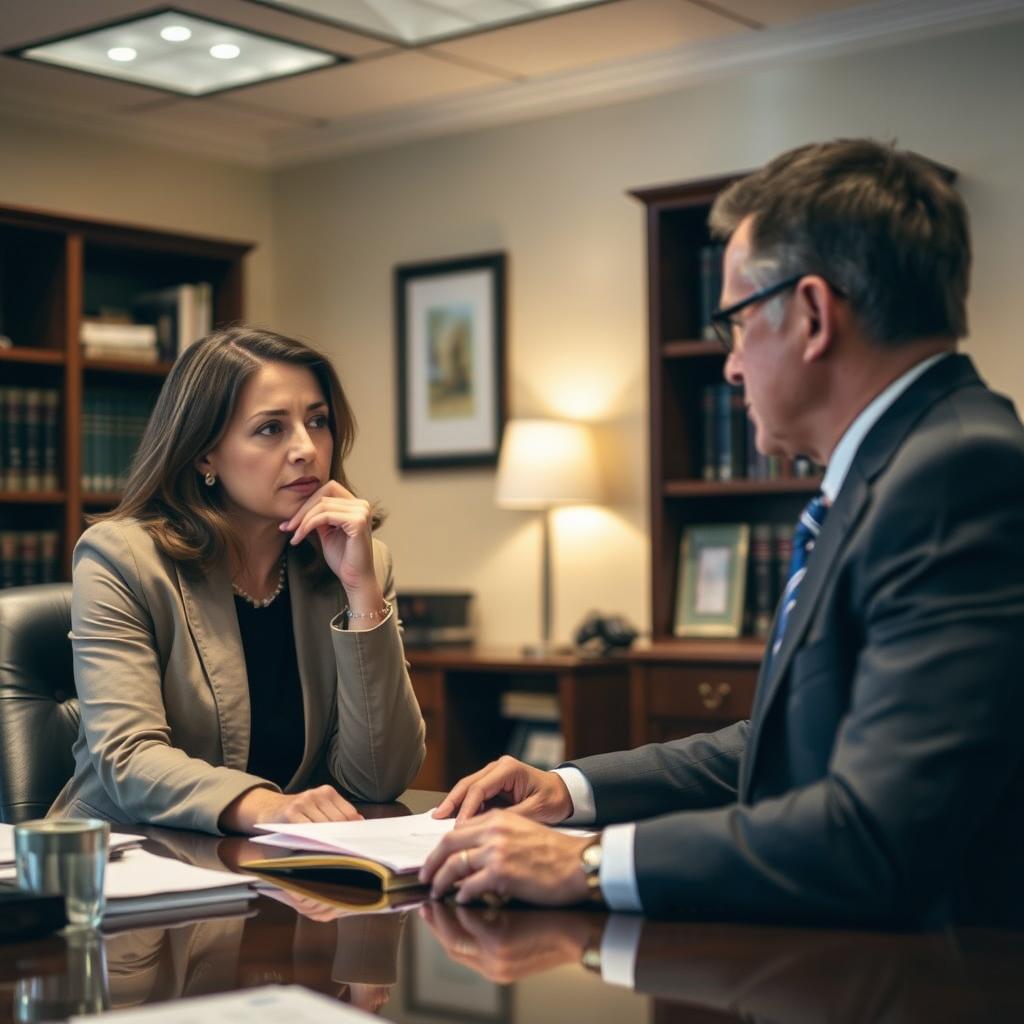
Uncontested Divorce Lawyer Fluvanna County, VA
If you and your spouse have reached an agreement on all issues and meet Virginia’s separation requirements, an uncontested divorce can be a streamlined way to end your marriage. In Fluvanna County, the Fluvanna County Circuit Court at 72 Main Street, Suite B, Palmyra, VA 22963 handles all divorce filings, including uncontested divorce and equitable distribution matters. Matters involving child custody, visitation, or support may also involve the Fluvanna County Juvenile & Domestic Relations District Court. Mr. Sris and his Of Counsel represent clients pursuing uncontested divorce in Palmyra, Fork Union, Lake Monticello, and throughout Fluvanna County. Our Shenandoah Location serves clients appearing before the Fluvanna County courts. Call (888) 437-7747 to request a consultation about your uncontested divorce.
What Uncontested Divorce Means in Fluvanna County, Virginia
An uncontested divorce occurs when both spouses agree on all terms—division of assets, spousal support, and, if applicable, child custody and support—and file the divorce together or with one spouse not contesting the other’s complaint. In Virginia, uncontested divorces are governed by Va. Code § 20‑91, which allows a no‑fault divorce after a period of separation. If the couple has no minor children and executes a written separation agreement, the separation period is six months; otherwise, a one‑year separation is required. The Fluvanna County Circuit Court has exclusive jurisdiction over the divorce itself, while the Juvenile & Domestic Relations District Court may hear any related custody or support disputes. Because both parties agree on the outcome, an uncontested divorce typically resolves more quickly and with less expense than a contested case. However, each situation is unique, and the timeline depends on the court’s calendar and the complexity of the marital estate.
Fluvanna County lies within the Sixteenth Judicial District and the Circuit Court is located at 72 Main Street in Palmyra. The court’s docket and scheduling practices influence how swiftly an uncontested divorce moves from filing to final decree. Mr. Sris and his Of Counsel are familiar with the local procedures and can assist clients in preparing the required complaint, separation agreement, and supporting documents for submission to the Fluvanna County courts. Even when a case is uncontested, Virginia law requires a corroborating witness to testify at the final hearing, and the court reviews the settlement to ensure it is fair and equitable. Our firm works to present the case efficiently so that your uncontested divorce is finalized without unnecessary delay.
How Mr. Sris and His Of Counsel Handle Uncontested Divorce Cases
Every uncontested divorce begins with a thorough review of the marital assets, debts, and any child‑related issues. Mr. Sris and his Of Counsel meet with you to confirm that all terms of the separation, including property division and support, have been agreed upon in writing. Where a separation agreement already exists, we review it for compliance with Virginia law; if one must be drafted, we work to prepare a comprehensive settlement that reflects your wishes and the statutory framework. The goal is a clear, enforceable agreement that leaves no issues unresolved and avoids contested litigation.
Once the separation agreement is signed, we prepare a Complaint for Divorce to be filed in the Fluvanna County Circuit Court. The complaint sets out the grounds for divorce, the date of separation, and the incorporation of the settlement. After filing, the case proceeds according to the court’s scheduling order. Because the matter is uncontested, a brief final hearing is typically all that is required, at which we present the agreement and the corroborating witness’s testimony. Throughout the process, our firm keeps you informed of deadlines and any additional steps the court may request. Mr. Sris and his Of Counsel draw on their extensive experience in Virginia family law to handle uncontested divorces efficiently while protecting your interests.
About Mr. Sris and His Of Counsel Team
Mr. Sris, Owner and Founder of Law Offices Of SRIS, P.C., has been practicing since 1997 and is admitted in Virginia, Maryland, the District of Columbia, New Jersey, and New York. He brings a former prosecutor’s insight to every family law matter he handles. Mr. Sris testified before the Virginia House Courts of Justice Committee in support of 2019 HB 635 (chief patron Del. David Bulova), legislation that revised the equitable distribution statute. His involvement in Virginia’s family‑law policy underscores his commitment to the field. Mr. Sris personally leads the firm’s uncontested divorce practice, drawing on decades of experience to guide clients through the process.
The firm’s Of Counsel attorneys bring additional experience and perspective. Together, Mr. Sris and his Of Counsel have documented over 4,739 case results across all practice areas since 1997. Results may vary. The team handles uncontested divorce cases with the attention to detail that any family‑law matter deserves, ensuring that every agreement is drafted and presented in a manner that meets Virginia’s statutory requirements and protects the client’s long‑term interests.
Frequently Asked Questions
How long does an uncontested divorce take in Fluvanna County?
An uncontested divorce in Fluvanna County generally resolves in a few months after the required separation period has been met, depending on the court’s calendar. Virginia law requires a period of separation before filing: six months if the couple has no minor children and has a signed separation agreement, or one year in other no‑fault circumstances. Once the separation requirement is satisfied, the complaint can be filed and the final hearing scheduled. The Fluvanna County Circuit Court sets hearings based on its docket, and a simple uncontested case may be heard within weeks. The overall timeline varies, and our firm can provide an estimate for your specific situation.
Do I need a lawyer for an uncontested divorce in Fluvanna County?
You are not legally required to have a lawyer, but an experienced attorney helps ensure your agreement is properly drafted and your rights are protected. Uncontested divorces involve property division, support issues, and sometimes custody—all governed by Virginia’s equitable distribution statute and other laws. A separation agreement that is incomplete or poorly worded can lead to future disputes. Mr. Sris and his Of Counsel review and prepare the documents needed to comply with Virginia law and present the matter to the Fluvanna County Circuit Court, reducing the risk of errors that could delay or jeopardize your divorce.
What are the grounds for an uncontested divorce in Virginia?
Uncontested divorce in Virginia is typically based on no‑fault grounds: living separate and apart for the statutory period. Under Va. Code § 20‑91(9), the two no‑fault grounds are a one‑year separation or a six‑month separation when there are no minor children of the marriage and a written separation agreement is in place. These are the grounds most commonly used when both spouses agree to the divorce. Fault grounds such as adultery or cruelty exist but are not used in uncontested cases. The complaint filed in Fluvanna County must state the applicable ground and be supported by the required separation period.
How is property divided in an uncontested divorce in Virginia?
Virginia is an equitable distribution state; marital property is divided fairly but not necessarily equally, based on factors the court considers. In an uncontested divorce, the spouses typically agree on how to classify and divide their assets and debts in a written separation agreement. The Fluvanna County Circuit Court reviews that agreement to ensure it is equitable under Va. Code § 20‑107.3. The court will confirm that separate property (acquired before marriage or by gift/inheritance) remains with the owner, and that the division of marital property is reasonable. A well‑drafted agreement often avoids disputes over valuation and classification.
What is the process for filing an uncontested divorce in Fluvanna County?
The process begins with preparing a Complaint for Divorce and the separation agreement, then filing with the Fluvanna County Circuit Court. After the separation period has been completed, the complaint is filed together with the signed agreement and any other required forms. The court then schedules a final hearing, at which a corroborating witness must testify that the parties have lived separate and apart for the required time. Because the case is uncontested, the hearing is typically brief. Once the judge reviews the agreement and ensures all statutory requirements are met, a final decree of divorce is entered. Our firm handles all of these steps from document preparation to the final hearing.
How do I start an uncontested divorce case in Fluvanna County?
Starting an uncontested divorce generally involves having a written separation agreement and filing a complaint with the Fluvanna County Circuit Court. The first step is reaching a comprehensive agreement with your spouse on property division, spousal support, and, if applicable, child custody and support. Once that agreement is signed and the statutory separation period has elapsed, a complaint can be drafted and filed in the Palmyra courthouse. Mr. Sris and his Of Counsel can guide you through each stage, from negotiating and drafting the agreement to filing and presenting the case at the final hearing. Call (888) 437‑7747 to request a consultation and discuss your uncontested divorce.
Fairfax County Family Law Lawyer | Prince William County Family Law Lawyer | Manassas Family Law Lawyer
For more information, review the Virginia Code Title 20: Domestic Relations, the Fluvanna County Circuit Court: Court Information, and the Virginia court system: Virginia Judicial System.
Our Shenandoah Location: 505 N Main St, Suite 103, Woodstock, VA 22664. By appointment only. Call (888) 437‑7747.
Attorney advertising. Prior results do not guarantee a similar outcome.
Case results depend on a variety of factors unique to each case. Results may vary.