
Visitation Modification Lawyer Dinwiddie County, VA
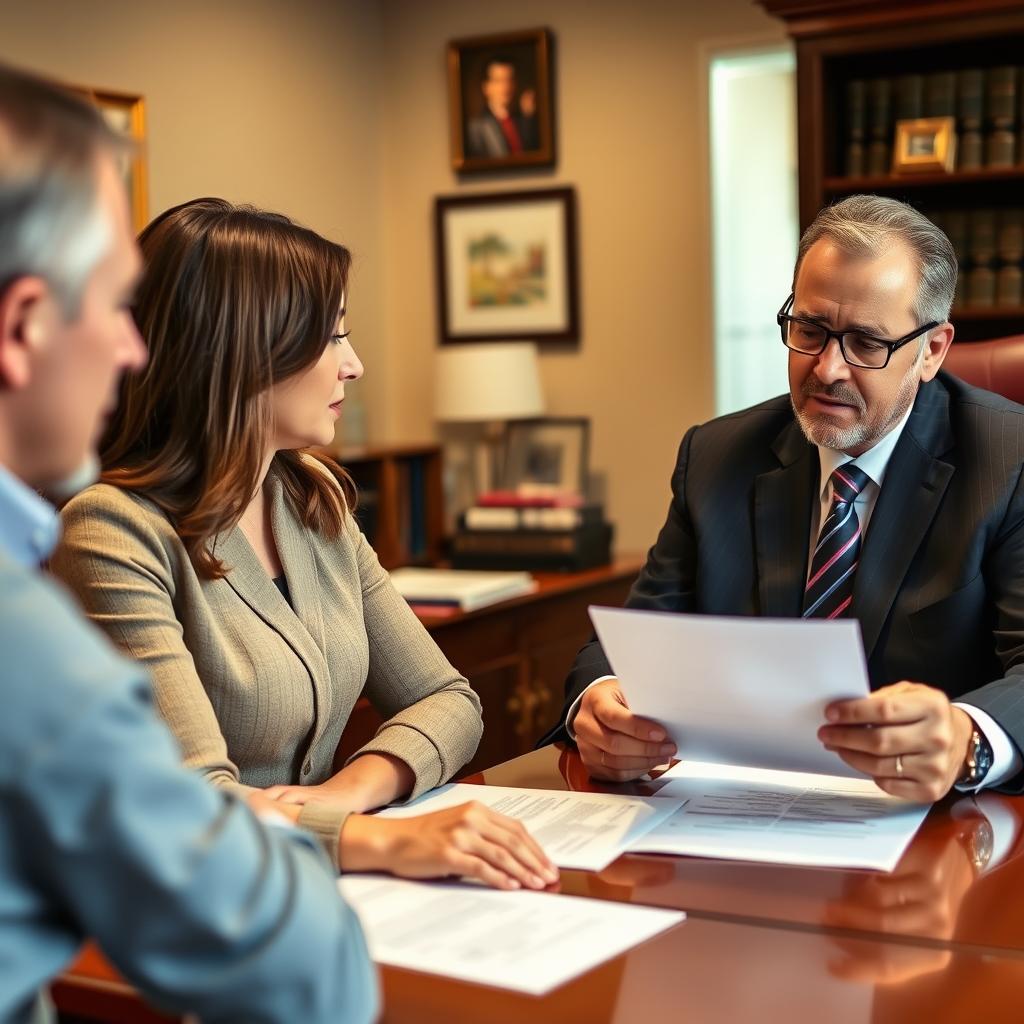
When parents in Dinwiddie County, Virginia, need to adjust an existing visitation schedule—whether because a parent relocates, a child’s needs change, or one parent is not following the current order—the legal process calls for a motion to modify visitation. Law Offices Of SRIS, P.C. represents parents, grandparents, and other parties seeking to modify court-ordered visitation before the Dinwiddie County Juvenile and Domestic Relations District Court. Mr. Sris and his Of Counsel bring extensive combined legal experience to visitation modification cases, working toward a schedule that reflects the child’s best interests under Virginia law. To discuss your situation, reach the firm at (888) 437-7747. Law Offices Of SRIS, P.C. – Advocacy Without Borders.
What Visitation Modification Means in Dinwiddie County, Virginia
Visitation modification is the process by which a parent or other party with visitation rights asks the court to change the terms of an existing visitation order. In Virginia, the court may modify visitation when a material change in circumstances has occurred since the last order and the modification serves the child’s best interests. The controlling statute is Va. Code § 20-124.2, with the court weighing the factors set out in Va. Code § 20-124.3.
In Dinwiddie County, standalone visitation matters and modification petitions are heard in the Juvenile and Domestic Relations District Court, located at the Dinwiddie Courthouse. The court sits in the Eleventh Judicial District and handles custody, visitation, child support, and protective orders. If the visitation issue arises within a pending divorce action, the Circuit Court may address it together with the equitable distribution and spousal support matters. A party seeking a change must file a written motion stating the specific change sought and the facts supporting the request. The filing is then scheduled for a hearing at which both sides present evidence. Because the court applies the trusted-interests standard, the outcome turns on the sufficiency of the evidence offered at the hearing.
The Dinwiddie County Juvenile and Domestic Relations District Court follows the same procedural rules as other JDR courts across Virginia. Petitioners must complete the appropriate forms, pay the filing fee or request a fee waiver, and ensure proper service on the other parent. The court may also appoint a guardian ad litem to represent the child’s interests in certain cases—particularly when there are allegations of abuse, neglect, or when the child’s welfare requires independent representation. Understanding these procedural requirements before filing can help avoid delays. The court’s docket can be busy, and hearings are typically scheduled several weeks out from the date of filing, depending on the court’s calendar and the availability of all parties.
Before filing a motion to modify, parents should consider whether they have evidence of a material change in circumstances. Virginia courts require more than a parent’s mere preference for a different schedule. Common examples of material changes include a parent’s relocation that significantly affects the existing visitation arrangement, a documented change in the child’s educational or medical needs, a parent’s remarriage or cohabitation that alters the household environment, or a consistent pattern of one parent denying or interfering with court-ordered visitation. The party seeking the modification bears the burden of proving both the material change and that the proposed new schedule serves the child’s best interests. Gathering documentation—such as school records, medical reports, communication logs, and calendars showing missed visits—before filing can strengthen the motion and help the court reach a decision efficiently.
How Mr. Sris and His Of Counsel Handle Visitation Modification Cases
Mr. Sris and his Of Counsel team begin by gathering the facts that support a material change in circumstances—such as a change in a parent’s work schedule, a relocation, concerns about the child’s safety, or a parent’s consistent failure to follow the existing order. The team prepares the motion, supporting affidavit, and any proposed revised visitation schedule, and files them with the Dinwiddie County Juvenile and Domestic Relations District Court.
Once the motion is filed and served, the court sets a hearing date. At the hearing, the attorney presents evidence, examines witnesses, and argues why the proposed modification furthers the child’s best interests. If opposing counsel objects, the firm engages in negotiation when possible, while keeping the matter ready for a contested hearing. Throughout, the goal is a practical, enforceable visitation arrangement that the court will approve.
The firm also assists clients with related matters that may arise during a visitation modification proceeding. For example, if a parent needs to modify child support along with visitation—such as when a change in the visitation schedule affects the support calculation—the firm can address both issues in a coordinated manner. Likewise, if one parent has moved out of state and the visitation order now involves interstate travel or communication provisions, the team works to craft terms that are specific and enforceable. The firm handles cases involving parents who live in different counties, different states, or who have complex work schedules that require detailed holiday and summer visitation provisions. Each modification motion is prepared with attention to the particular facts of the family’s situation and the specific terms the client seeks to change.
In some cases, parents may be able to reach an agreement on a modified visitation schedule without a contested hearing. When both parents agree to the change, the process can be streamlined by submitting a consent order to the court for approval. The firm can draft the consent order reflecting the agreed terms and present it to the judge. Even in agreed cases, however, the court reviews the proposed schedule to confirm that it serves the child’s best interests before entering the order. If the other parent does not agree, the case proceeds to a hearing where each side presents its evidence and argument. The firm prepares clients for what to expect at a contested hearing, including the types of questions the judge may ask, the evidence that carries weight with the court, and the procedure for examining witnesses and introducing exhibits.
About Mr. Sris and His Of Counsel Team
Mr. Sris, Owner and Founder of Law Offices Of SRIS, P.C., is a former prosecutor. He testified before the Virginia House Courts of Justice Committee in support of 2019 HB 635 (chief patron Del. David Bulova). Mr. Sris is admitted in Virginia, Maryland, the District of Columbia, New Jersey, and New York, and has been practicing since 1997.
Mr. Sris and his Of Counsel team bring extensive combined legal experience to family law matters in Virginia. Results may vary. In your case. Together, they handle visitation modification cases from initial filing through final order, drawing on decades of collective practice before Virginia courts including the Dinwiddie County Juvenile and Domestic Relations District Court.
Frequently Asked Questions
How do I modify a visitation order in Dinwiddie County?
To modify a visitation order in Dinwiddie County, you must file a motion with the Juvenile and Domestic Relations District Court showing a material change in circumstances and that the proposed change serves the child’s best interests. The motion must include specific facts. An experienced family law attorney can prepare the motion, gather supporting evidence, and represent you at the hearing. The court schedules a hearing after service on the other parent, and both sides may present testimony and exhibits.
What counts as a material change in circumstances for visitation modification?
A material change in circumstances is a significant factual change that affects the child’s welfare, such as a parent’s relocation, a change in the child’s medical needs, or a consistent pattern of missed visitation. Virginia courts look at whether the change is more than trivial and whether it directly impacts the child. Other examples include a parent’s remarriage that introduces new household dynamics or a parent’s substance abuse. The court evaluates the evidence under the trusted-interests factors in Va. Code § 20-124.3.
Do I need a lawyer for a visitation modification in Dinwiddie County?
While you are not legally required to have a lawyer, the court process involves procedural rules, evidentiary standards, and the need to prove a material change—all of which are easier to manage with experienced legal counsel. A lawyer can help you identify the strongest evidence, draft the motion, and present your case effectively at the hearing. Mr. Sris and his Of Counsel handle visitation modification cases throughout Dinwiddie County and can guide you through each step.
How long does a visitation modification take in Dinwiddie County?
The timeline varies depending on the court’s calendar, the complexity of the case, and whether the parties reach an agreement. After the motion is filed, the court schedules a hearing date. Some cases resolve in a few weeks if both parents agree; contested hearings may take longer. An attorney can give you a better estimate after reviewing the specifics of your situation.
Can a grandparent seek visitation modification in Virginia?
Yes, under certain circumstances, a grandparent may petition for visitation or modification of existing visitation in Virginia. The statute Va. Code § 20-124.2 allows a grandparent to file if the child’s parents are divorced, one parent is deceased, or the child has lived with the grandparent for a qualifying period. The court still applies the trusted-interests factors and must find that the visitation is in the child’s welfare. A lawyer can evaluate whether a grandparent has standing to pursue a modification.
What should I bring to a consultation about modifying visitation?
Bring your current visitation order, any communication with the other parent about the schedule, and notes about the change you are seeking. Also helpful are calendars showing missed visits, medical records if the child’s needs have changed, and any documents that demonstrate the material change (such as a new work schedule or a proposed move). The more complete the information, the better Mr. Sris and his Of Counsel can assess your case.
Related pages:
Fairfax County Family Law Lawyer |
Prince William County Family Law Lawyer |
Chesterfield County Family Law Lawyer |
Hanover County Family Law Lawyer
Virginia legal resources:
Virginia Juvenile and Domestic Relations District Courts |
Virginia Code Title 20 (Domestic Relations) |
Virginia’s Judicial System
Attorney advertising. Prior results do not guarantee a similar outcome.
Results may vary.
Case results depend on a variety of factors unique to each case.