
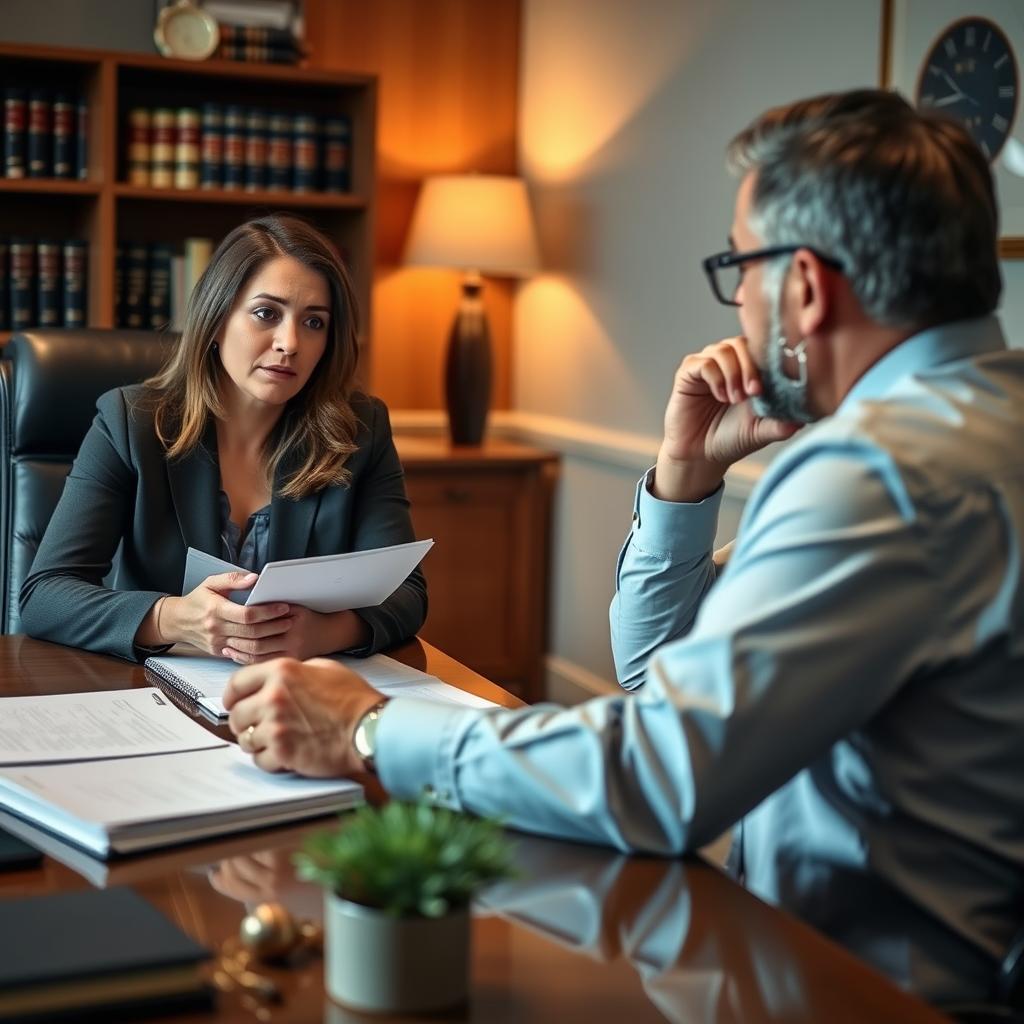
Cheap Uncontested Divorce Lawyer Rockingham County, VA
Ending a marriage can be a stressful experience, but the legal process does not need to add to that burden. An uncontested divorce offers a way for both spouses to resolve all issues amicably—dividing property, addressing support, and settling custody—without a trial. In Rockingham County, Virginia, the Circuit Court handles divorce cases, and Law Offices Of SRIS, P.C. Concentrates its practice on helping clients pursue an inexpensive, straightforward separation when both parties agree on the terms. Mr. Sris, Owner and Founder of the firm, and his Of Counsel team bring decades of combined legal experience, backed by 4,739+ documented firm-wide results (Results may vary.), to uncontested divorce matters, focusing on efficiency and clarity. Whether you are in Harrisonburg, Bridgewater, Dayton, or anywhere in Rockingham County, our Shenandoah/Woodstock location serves clients at the Rockingham County Circuit Court. To discuss an affordable uncontested divorce, reach Law Offices Of SRIS, P.C. at (888) 437-7747. Law Offices Of SRIS, P.C. — Advocacy Without Borders.
What Uncontested Divorce Means in Rockingham County
In an uncontested divorce, both spouses agree on all the key issues: the grounds for divorce, the division of marital property, spousal support, and, if children are involved, custody and child support. Because there is no trial, the process is typically quicker and less expensive than a contested case. In Rockingham County, the Circuit Court—located at 53 Court Square, Harrisonburg, VA—has exclusive jurisdiction over divorce actions, while the Juvenile and Domestic Relations District Court addresses standalone custody and support matters.
Virginia law provides specific grounds for divorce. A no-fault divorce may be based on a six‑month separation if the couple has no minor children and a written separation agreement, or a one‑year separation under other circumstances. These statutory timeframes are set out in Va. Code § 20‑91 (citation verified and added to the firm’s Registry of legal citations). Because Virginia is an equitable distribution state, the court considers a range of factors when dividing marital assets and debts. When both spouses have resolved all terms outside of court—often through a signed property settlement agreement—the filing can move straightforwardly, keeping costs low.
How Mr. Sris and His Of Counsel Handle Uncontested Divorce Cases
Mr. Sris and his Of Counsel approach every uncontested divorce with a focus on clarity and practical guidance. The process begins with a thorough discussion to confirm that all issues are truly resolved and that the agreement reflects the parties’ intentions. The team then prepares the necessary documents, including the complaint and a proposed final decree, tailored to the local requirements of the Rockingham County Circuit Court.
The firm’s involvement extends beyond document preparation. Mr. Sris and his Of Counsel explain each step, from serving the complaint to attending the final hearing, where a corroborating witness confirms the statutory grounds. Because the firm appears regularly in Rockingham County courts, the attorneys are familiar with local procedures and scheduling, helping clients navigate the process efficiently. Throughout, the team prioritizes a smooth resolution that protects the client’s interests while respecting the cooperative nature of an uncontested divorce.
About Mr. Sris and His Of Counsel Team
Mr. Sris is the Owner and Founder of Law Offices Of SRIS, P.C. A former prosecutor, he founded the firm in 1997 and has built a multi‑state practice representing clients in Virginia family law matters. Mr. Sris testified before the Virginia House Courts of Justice Committee in support of 2019 HB 635 (chief patron Del. David Bulova), which revised the equitable distribution statute. His background in trial work and legislative advocacy informs the practical approach he and his Of Counsel bring to uncontested divorce cases.
Mr. Sris is supported by a team of experienced attorneys serving as Of Counsel. Together, they bring over 120 years of combined legal experience, concentrating on family law, criminal defense, and related areas. Results may vary. The firm’s Rockingham County clients benefit from a collaborative model where Mr. Sris and his Of Counsel collectively contribute to each matter, ensuring careful document preparation and a thorough understanding of local court practices.
Frequently Asked Questions
What is an uncontested divorce in Virginia?
An uncontested divorce is one where both spouses agree on all issues—from property division to child custody—eliminating the need for a trial. In Virginia, it often proceeds under a no‑fault ground after the required separation period. The parties typically sign a separation agreement resolving finances and parenting arrangements, then one spouse files a complaint with the Circuit Court. Because there is no dispute, the court can grant the divorce after a short hearing, making the process more affordable and less adversarial than a contested case.
How long does a divorce take in Rockingham County, Virginia?
The timeline for an uncontested divorce in Rockingham County depends on the statutory separation period and the court’s calendar, but many cases resolve within a few months of filing. Virginia law requires a six‑ or one‑year separation before a no‑fault divorce can be granted. Once that period expires, the paperwork and hearing can proceed. The Rockingham County Circuit Court schedules hearings based on its own docket; experienced counsel can help ensure that documents are complete to avoid unnecessary delays.
How much does an uncontested divorce cost?
Costs for an uncontested divorce in Rockingham County include court filing fees and attorney services, but they are generally lower than a contested divorce because trial preparation is not required. Filing fees apply and can be confirmed by contacting the clerk’s office or our firm for current information. Attorney fees vary depending on the complexity of the agreement and the amount of time the matter requires. Reaching an amicable settlement before filing is the most effective way to keep expenses down.
Do I need a lawyer for an uncontested divorce in Rockingham County?
While Virginia does not require you to hire a lawyer, having an attorney draft and review the separation agreement and court documents helps avoid mistakes that could delay the final decree. An attorney can also advise on tax implications, retirement‑account division, and hidden debts. At Law Offices Of SRIS, P.C., Mr. Sris and his Of Counsel focus on efficient, cost‑effective uncontested divorces, ensuring that all legal requirements are met while you maintain a cooperative approach.
Where can I find an inexpensive uncontested divorce lawyer near Rockingham County?
Our Shenandoah/Woodstock location serves clients throughout Rockingham County, including Harrisonburg, Bridgewater, Dayton, and Elkton. We concentrate on making the uncontested divorce process straightforward and affordable. To request a consultation, reach Law Offices Of SRIS, P.C. at (888) 437-7747. We can discuss your situation and provide a clear picture of what the process involves and how we can help you move forward.
Other Virginia family law pages:
Clarke County Family Law Lawyer |
Shenandoah County Family Law Lawyer |
Frederick County Family Law Lawyer |
Warren County Family Law Lawyer |
Augusta County Family Law Lawyer
Attorney advertising. Prior results do not guarantee a similar outcome.
Results may vary. Mr. Sris and his Of Counsel have documented outcomes in Rockingham County family law matters; each case is unique and results depend on the specific facts and legal issues involved.
Case results depend on a variety of factors unique to each case.